By Douglas Klug
I had the pleasure of taking part in Mantafest 2026 this year, a great photo workshop at the Manta Ray Bay Resort on the charming little island of Yap in the Federated States of Micronesia.
This tropical paradise had everything a photographer could want from beautiful topside scenery to big animals and reefs teeming with life for underwater water photography.
I brought three lenses for my system and put them through the paces over the 35 dives I did while I was there for a little less than three weeks.

Canon RF 7-14mm Fisheye Lens at 9mm • 1/100 • f/10 • ISO 100 © Douglas Klug
The Gear
For this trip, I knew I’d have a broad range of subjects and shooting environments and I didn’t want to miss out on any opportunities because I didn’t have the right gear.
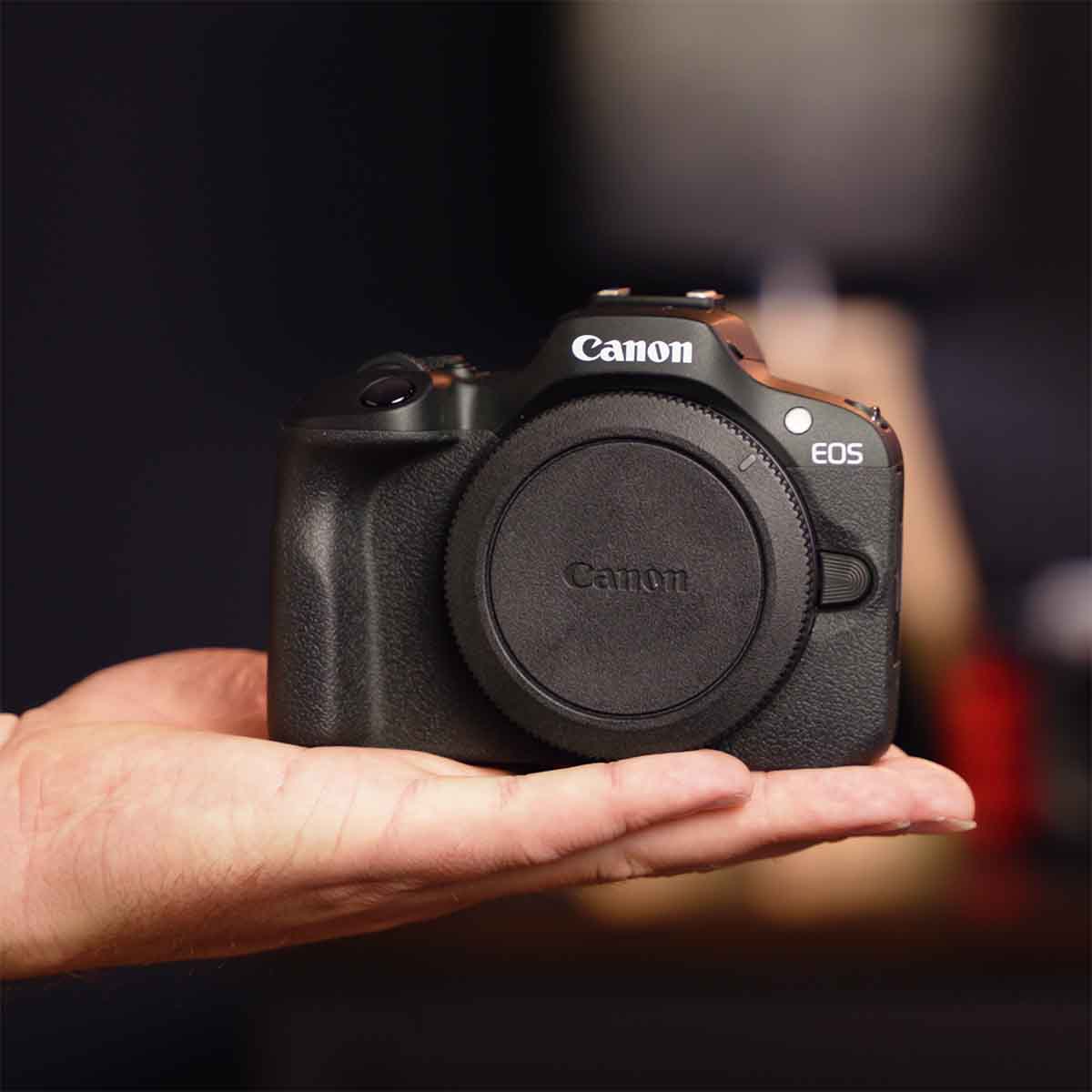
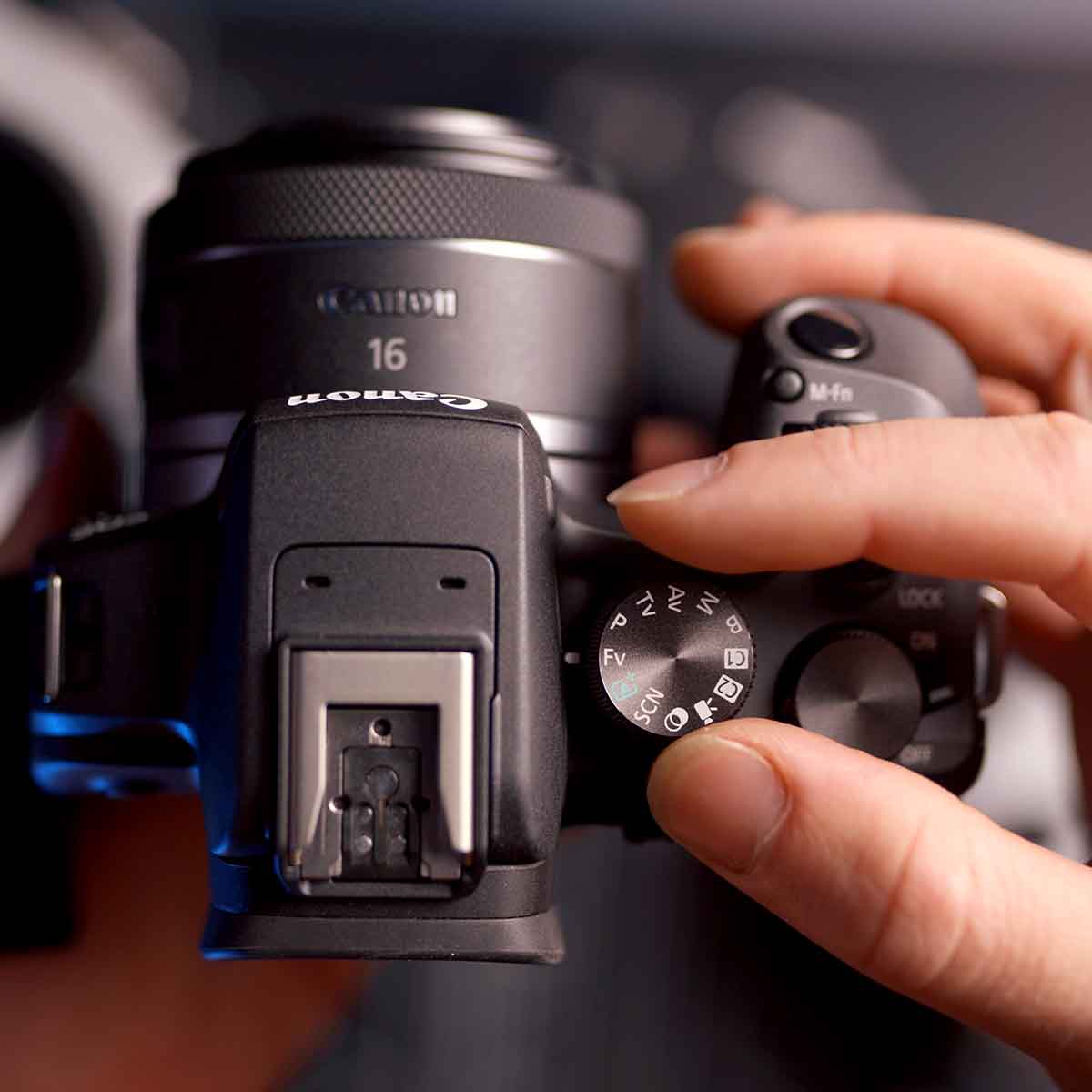
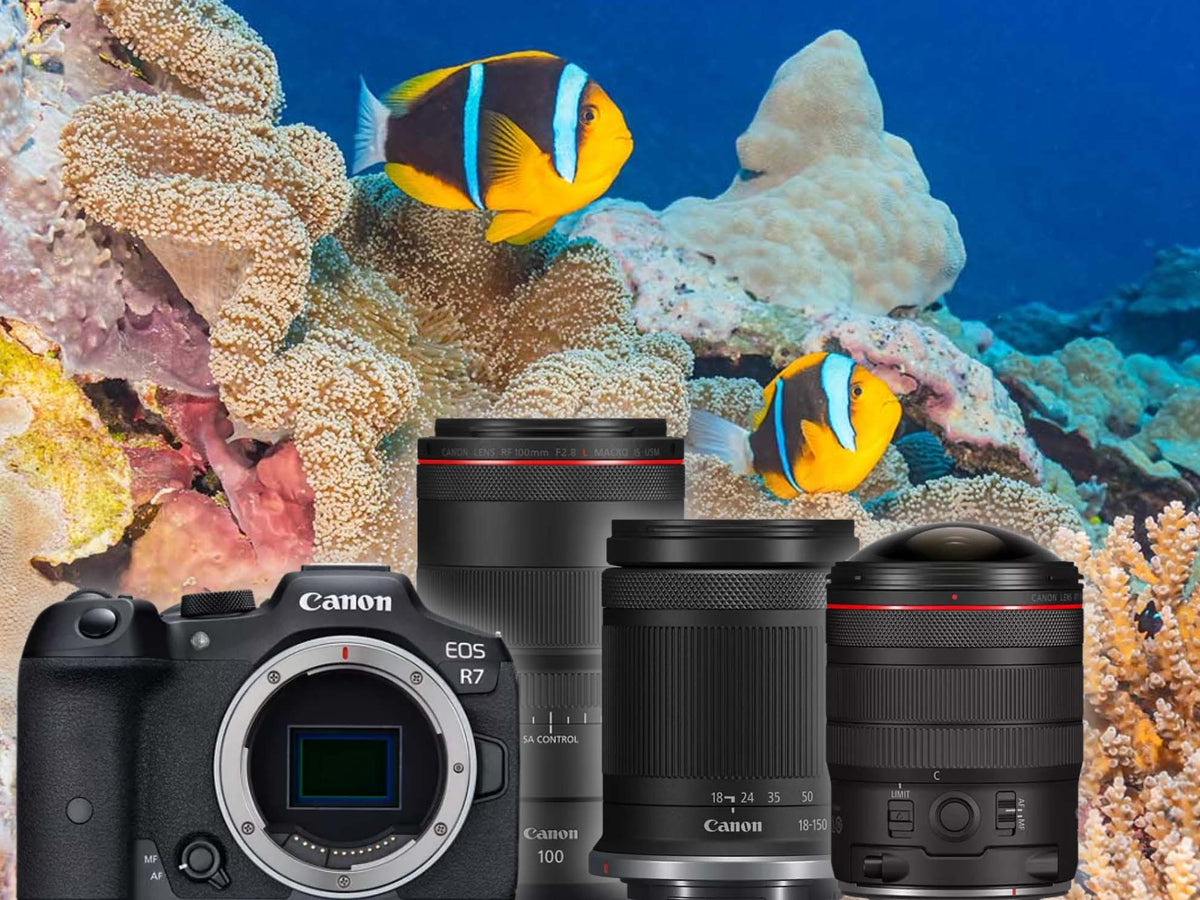
I started with my Canon R7 and its corresponding compact DLM housing with dual RC232 Fiber Optic Strobes.
READ MORE: More Power, Smaller Package: Moving to Mirrorless with the Canon R7
The simplicity and size of this setup made it easy to pack up. The fiber optic cables are small and light, and the strobes use a sealed rechargeable battery pack that meant I only needed to bring along the charging cables to keep them running. I also brought some extra CR2032 batters for the TTL trigger. The coin-sized CR2032 are inexpensive, easy to find, and will run the TTL trigger for week of average shooting, but I wanted to make sure I didn’t miss any shots and brought enough batteries to change them out every 5th day.

Canon RF-S 18-150mm Lens at 100mm • 1/160 • f/10 • ISO 1250 © Douglas Klug
Like any trip with a broad range of subjects, I knew I’d need different lenses depending on the underwater conditions and the subjects I was hoping to capture. I brought along my favorite trio of Canon lenses for this trip:
- Canon RF-S 18-150mm F3.5-6.3 IS STM Zoom Lens for “all purpose” shooting
- Canon RF 100mm f/2.8 Macro Lens for those dedicated macro shooting days
-
Canon RF 7-14mm f2.8-f/3.5 Fisheye Lens for close action on big animals
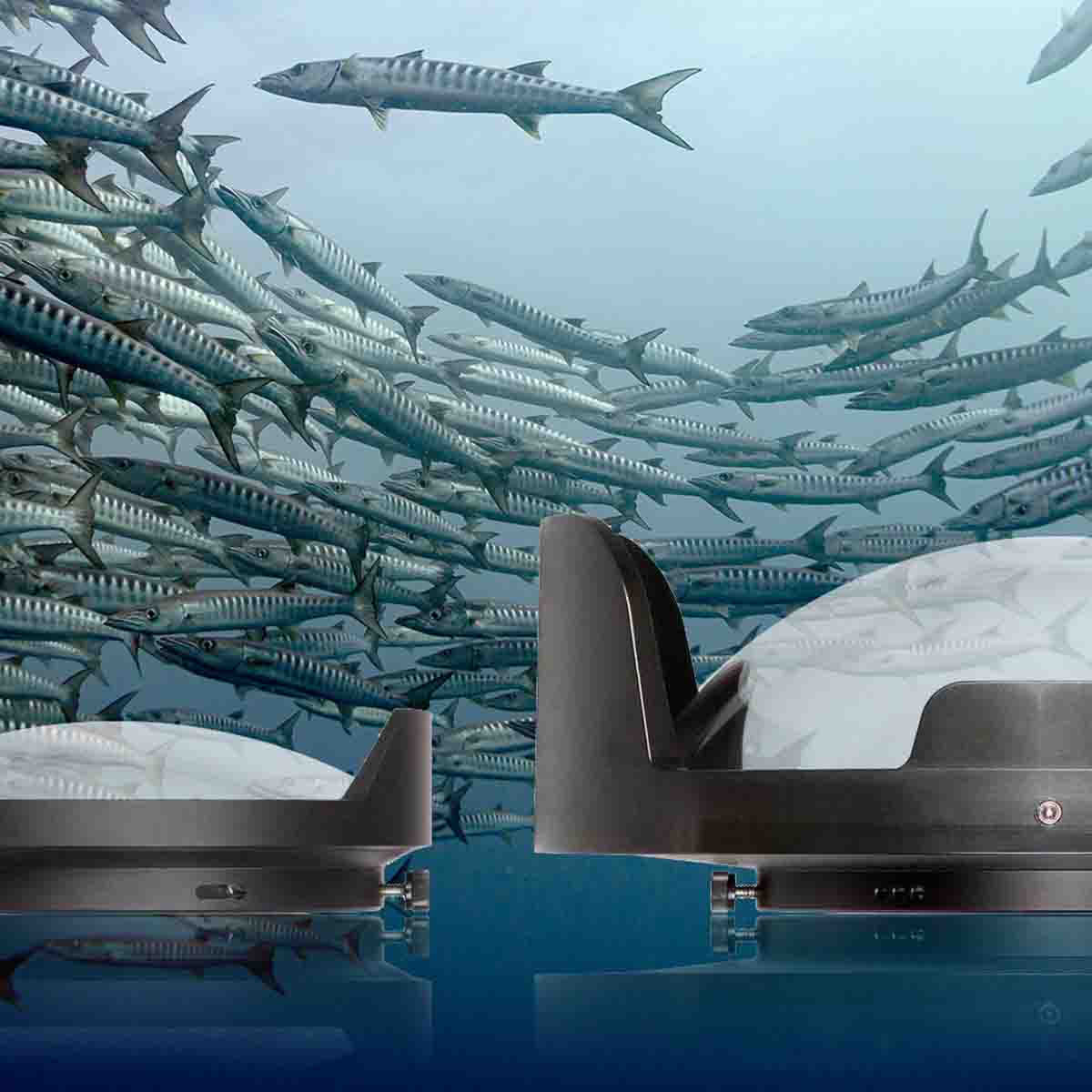
Ikelite’s modular port system meant that I could have brought just two ports on this trip since the zoom and fisheye lenses both use the same dome port. The macro lens uses the flat port for auto focus shooting, which is what I planned on using for this trip. The lenses can be packed with the extensions attached to save space.

Canon RF 7-14mm Fisheye Lens at 9mm • 1/160 • f/13 • ISO 320 © Douglas Klug
I knew I’d have the possibility of doing some split shot shooting on this trip, so I also brought along a full size DLM 8 inch dome port to use with the RF 7-14mm fisheye. That port provides a larger surface area that allows for shooting right at the surface to capture both above and below. Though the 8 inch dome does require an extension port, it actually uses the same extension port as the RF-S 18-150mm, so I only needed to bring one extension for use with both ports!
Lens # 1 // Canon RF-S 18-150mm F3.5-6.3 IS STM Zoom Lens
Like many tropical diving destinations, the weather in Micronesia is unpredictable. For the first few days, the skies were dark with rainclouds. The ocean was clear and calm, but the reefs lacked that tropical sunshine that makes underwater wide angle shooting so spectacular. I started out the trip with the RF-S 18-150mm zoom lens on my system. This gave me maximum flexibility underwater so I could shoot small and medium sized subjects, as well as be ready if something larger swam by.
READ MORE: From Sunbursts to Sea Slugs: The Versatility of Canon RF-S 18-150mm Underwater

Canon RF-S 18-150mm Lens at 47mm • 1/125 • f/10 • ISO 1600 © Douglas Klug
The lens proved to be an invaluable tool as we found a cuttlefish on our first day of diving. The zoom feature let me fill the frame with the photogenic cephalopod while shooting back from a distance that didn’t scare it away.

Canon RF-S 18-150mm Lens at 28mm • 1/125 • f/10 • ISO 1600 © Douglas Klug
Later that same day, with the same lens, I did some dusk diving for the elusive mandarinfish. Again, the lens let me set up the shot from a distance where I didn’t scare a mating pair of fish away, while zooming into to orient their brilliant colors in the frame.

Canon RF-S 18-150mm Lens at 95mm • 1/60 • f/10 • ISO 1600 © Douglas Klug
The next day while still shooting the 18-150mm lens, I came across a beautiful zebra shark. These harmless sharks are considered critically endangered due to habitat loss and are stunningly beautiful. I happened to be in the right position to get the shark as it glided by, and was able to capture the entire scene with the widest setting on the lens. Incidentally, that shot ultimately one “best of show” at the MantaFest 2026 contest!

Canon RF-S 18-150mm Lens at 18mm • 1/80 • f/9 • ISO 400 © Douglas Klug
Lens # 2 // Canon RF 100mm F2.8 L Macro IS USM Lens
The reefs off Yap had an incredible amount of life to capture with a macro lens, and the RF 100mm Macro was the perfect tool.
READ MORE: Best Macro Lens for Canon Mirrorless Shooters: RF 100mm F2.8 L Macro IS USM

Canon RF 100mm Macro Lens 1/125 • f/18 • ISO 1600 © Douglas Klug
Anemone fish are always popular subject for underwater photographers, and one of their most intriguing behaviors is the way they care for their eggs when nesting. The lighting fast autofocus helped me get this shot of an anemone fish in the moment it was hovering over its nest, oxygenating it’s little brood. The broad focal depth of the lens kept everything, from the tiny eyes inside the eggs, to the teeth on the adult fish, in focus.

Canon RF 100mm Macro Lens 1/160 • f/13 • ISO 1600 © Douglas Klug
The lens also helped me capture the images of a coral hermit crab, and peacock anemone shrimp. Both these subjects are shy and hard to shoot close-up, but the RF 100mm Macro captured them from far enough back to avoid frightening them but still fill the frame.

Canon RF 100mm Macro Lens 1/100 • f/22 • ISO 1600 © Douglas Klug
Finally, the lens subject tracking helped me capture this whip goby, keeping focus even as the fish lifted off its wire coral perch.

Canon RF 100mm Macro Lens 1/160 • f/11 • ISO 1600 © Douglas Klug
Lens # 3 // Canon RF 7-14mm F2.8-3.5 L Fisheye STM Lens
For wide angle shooting under, a fisheye lens was best choice. The lens was sharp at the edges, capturing big animals inches off the dome port. APS-C sensor cameras like the R7 have some “black-box” framing outside the circular image at 7 and 8mms. The lens is equipped with a restrictor switch that locks it at 9mm or above for APS-C sensor shooters who don’t want to see a black box outside their image. I used the lens with this restrictor switch in position and never shot wider than 9mm. Ikelite’s choice of ports allows the lens to be used inside 6” compact dome port with zoom capabilities, or inside the larger 8” dome as a fixed focus lens with no zoom.
READ MORE: Trading up from the Canon EF 8-15mm to the RF 7-14mm Fisheye Lens

Canon RF 7-14mm Fisheye Lens at 9mm • 1/100 • f/10 • ISO 200 © Douglas Klug
My favorite big animal encounters in Yap centered around the shark diving offered regularly at one of their dive sites. The combination of clear water, sunny skies, and close subjects made for some spectacular photography opportunities. Using the 8 inch dome port with the sharks also allowed me to do some split-shot shooting at the surface while the sharks cruised just inches off the port.

Canon RF 7-14mm Fisheye Lens at 9mm • 1/160 • f/11 • ISO 200 © Douglas Klug

Canon RF 7-14mm Fisheye Lens at 9mm • 1/160 • f/13 • ISO 200 © Douglas Klug
Conclusions
Different diving conditions and marine life encounters will dictate what the best lens is to take underwater. All the images in this article were shot with the listed gear in an Ikelite housing and using Ikelite strobes. Shooters hoping to capture a variety of pleasing images over a lengthy trip will benefit from having several different lenses and ports available. The Canon R7 body and the three lenses I shot with are considered consumer grade equipment and may fall more easily into your underwater photography budget than some professional grade full-frame options, giving you extra money to spend on a longer trip and more time in the water shooting!
Gear List
- Canon R7
- Canon RF-S 18-150mm F3.5-6.3 IS STM Zoom Lens
- Canon RF 100mm f/2.8 Macro Lens
- Canon RF 7-14mm f2.8-f/3.5 Fisheye Lens
- DLM 6 inch Dome Port # 5516.16
- DLM Flat Port # 5516.51
- DLM 8 inch Dome Port # 5516.82
-
200DLM/D Underwater Housing for the Canon R7 # 69746
- RC232 TTL Underwater Strobe with Video Light # 40123
Additional Viewing
The One-Lens Underwater Setup? Canon 18-150mm in Yap [VIDEO]
Underwater Photographers' Paradise + Prizes?! Traveling to Yap, Micronesia for MantaFest [VIDEO]
Mantafest 2025 Underwater Photography Workshop // Yap, Micronesia
Trading up from the Canon EF 8-15mm to the RF 7-14mm Fisheye Lens
From Sunbursts to Sea Slugs: The Versatility of Canon RF-S 18-150mm Underwater
Canon RF 100mm F2.8L Macro and Canon R7 Underwater Micro-Review & Results
How to Find Underwater Subjects in the South Pacific [VIDEO]

Douglas Klug has been diving California’s Channel Islands for over 30 years as a SCUBA diving instructor and underwater photographer in Santa Barbara, CA. Doug specializes in underwater photography within the kelp forest environment. His photo-essays have been published in print world-wide, including articles in California Diving News, DAN Alert Diver, and Dive Training. Doug’s images have been used in many publications and by the US National Park Service, US National Marine Sanctuary, the Monterey Bay Aquarium, Google, and Microsoft. Doug even does live talks on underwater photography for dive clubs and museums in Southern California. See more...

