

![Canon RF 16-28mm Lens Review for Underwater Photo & Video [VIDEO]](http://www.ikelite.com/cdn/shop/articles/canon-16-28-review-jacques-de-vos-blog-cover_56aae82f-7a8a-4ea5-8db9-0976aa01ba61.jpg?v=1788531488&width=1500)
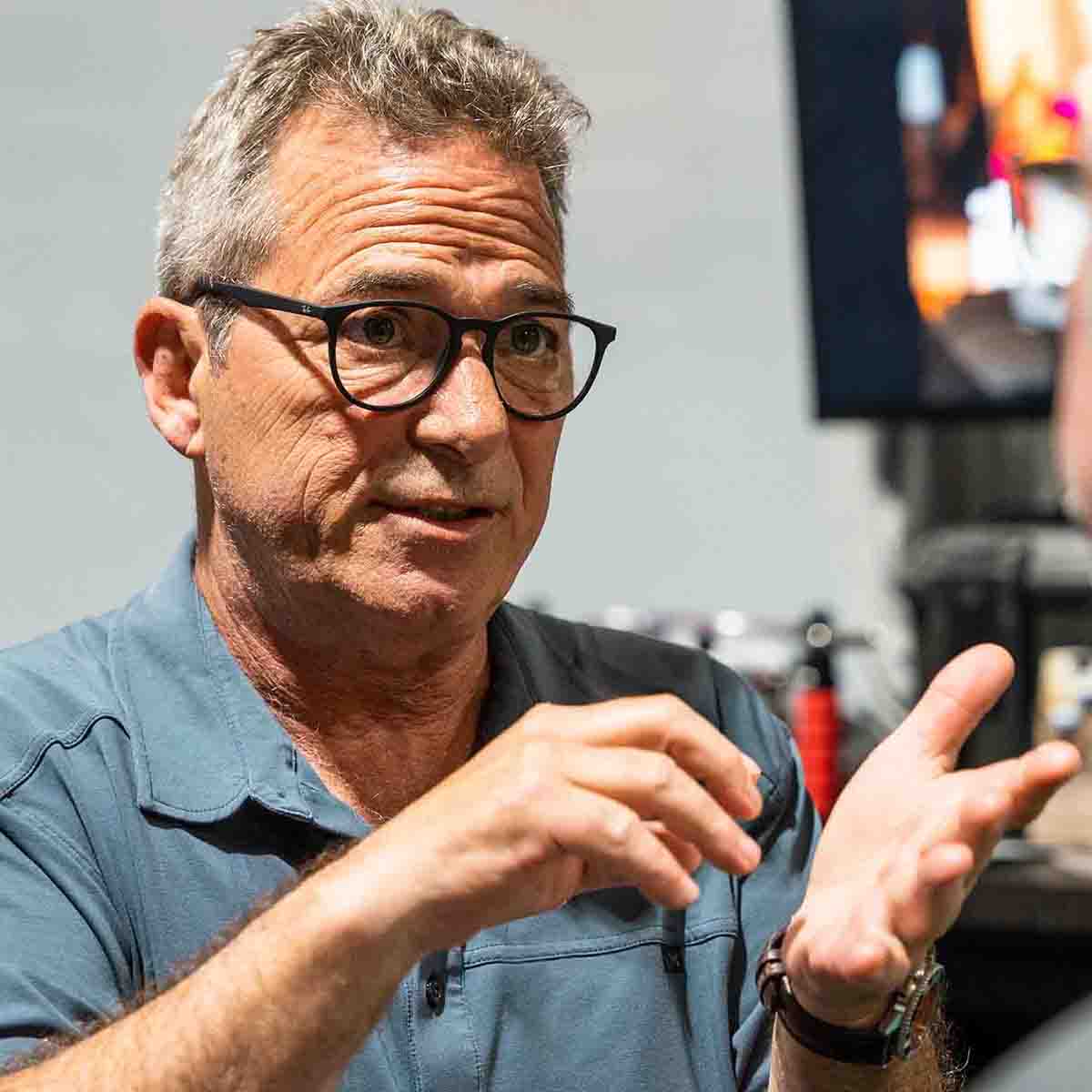
Featuring Jacques de Vos
We're always looking for ways to squeeze more out of our underwater photography budget. At under $1000 US, the Canon RF 16-28mm f/2.8 IS STM Lens was a promising candidate for a high quality rectilinear lens.
Professional videographer and expedition leader Jacques de Vos has spent the last year putting this lens through the paces from the Arctic Circle to South Africa. Jacques discusses autofocus speed, low light performance in the icy waters of Norway, detail capture in 4K video, and edge sharpness for photos.
If you're looking for an even more budget-friendly option, consider the Canon RF 15-30mm f/4.5-6.3 IS STM instead.
If you'd prefer to read this review, scroll down to view the article version of this video.
I'm Jacques de Vos, I'm an expedition guide and an underwater photographer and cameraman. For the past few months I've been using the Canon 16-28mm lens with the Canon R5 in the Ikelite 200DL Underwater Housing. I've used it in bright water conditions, in dark water conditions, for example in Norway, and I've been very pleasantly surprised by the lens.
Fisheye vs Rectilinear
For as long as I've been shooting underwater stills and video I've always favored fisheye lenses. In particular, the Canon 8-15mm F/4 lens works great for both mediums and also works perfectly with the Ikelite system, it's always been my go-to lens. But, due to the requirements of a lot of the commercial projects that I work for, they often ask that you use rectilinear lenses instead. So I'm always keeping an eye out for wide-angle lenses which are not fisheye lenses.
A couple of months ago, through the Ikelite YouTube channel, I became aware of the Canon 16-28mm f2.8 image stabilized wide-angle lens. One of the main reasons I wanted to try this lens was for places like Norway where in the winter, towards the end of the season, it can get quite dark or you have a lot less light to work with underwater. With the F/2.8 aperture it looked like this lens might check some of the boxes that I had requirements for.

Canon R5 + Canon 16-28mm lens at 19mm • 1/200 • f/2.8 • ISO 2000 © Jacques de Vos
Travel-Friendly Lens and Underwater System
I was often transitioning between use in the housing and also topside while I was traveling and given its small size and the fact that it's so light it made it very easy to use. The setup I had while I was using this lens was the Canon R5, the Canon 16-28mm lens, and the 200DL Ikelite Underwater Housing with the DL 50mm Extension and the DL 8" Dome Port. In addition to that I used the Ikelite Trim Weight System to control the buoyancy.

Canon R5 + Canon 16-28mm lens at 16mm • 1/160 • f/2.8 • ISO 1250 © Jacques de Vos
How the Canon 16-28mm Lens Handles Underwater
What I discovered with this lens is that for video it does really well. It does a great job of focusing as long as you have some light and it keeps a lot of the details and sharpness all the way into the corners.
For stills the lens did quite well in that the focusing is quite snappy as long as you have a bit of light and the sharpness overall is quite good within the image. I would say 75% of the image is nice and sharp and as you get to the corners you have a little bit of sharpness falling off.
In brighter conditions this lens was great. Focusing was very reliable and snappy but with more light you have greater detail and sharpness all the way into the corners for both stills and for video.
Another nice feature with this wide-angle lens is the fact that it has stabilization. This really helps for stills both underwater and topside as well as video.

Canon R5 + Canon 16-28mm lens at 21mm • 1/200 • f/2.8 • ISO 2000 © Jacques de Vos
Optical Correction in Lightroom and Photoshop
Something I discovered with the 16-28mm lens is when you import your stills into software like Lightroom or Photoshop, an optical correction is already applied. My advice is to keep it as is because reducing the optical correction in order to gain more of the edge detail actually introduces a lot of lost detail in the edges, in some cases noise but also a lot of vignetting.
Using an Anti-Reflection Ring
Another common quirk with wide-angle lenses is that on the front you'll very often find a retaining ring. This ring can become quite visible in light when it reflects from the inside of the dome back onto the lens itself. But the nice thing is that Ikelite actually has their own non-reflective Anti-Reflection Ring which you stick over the retaining ring which avoids that situation. In my experience, as long as you keep the dome shade on the 8" Dome and you have this Anti-Reflection Ring installed on your lens you do not have issue with any reflections within your images or your video.

Canon R5 + Canon 16-28mm lens at 16mm • 1/125 • f/2.8 • ISO 3200 © Jacques de Vos
Who Is This Lens For?
I would recommend the Canon 16-28mm lens to anyone who's looking for a great all-round lens. This lens does great in low light, bright conditions, it's excellent underwater and also topside. The fact that it's so small and light makes it a very easy lens to travel with.
Equipment Used
- Canon RF 16-28mm f/2.8 IS STM Lens
- Canon EOS R5 Camera
- 200DL Deluxe Underwater Housing for Canon EOS R5 # 71764-DLX
- DL 8" Dome Port # 75340
- DL 50mm Extension # 75050
- Zoom Gear # 5509.41
- Anti-Reflection Ring for 16-28mm # 0923.22
- Trim Weight # 47140
Dive with Jacques
Join Jacques on his next underwater expedition to freedive with Orcas, shoot the sardine run in South Africa, or whatever adventure he's organizing next. Visit his website oceansaroundus.com to learn more.
Additional Viewing
Top 3 Best Lenses for Sony Full Frame Mirrorless Underwater [VIDEO]
Canon RF 16-28mm Zoon Gear Installation // 200DL Underwater Housing [VIDEO]
Rectilinear vs Fisheye Lenses for Underwater Wide Angle Photography [VIDEO]
Canon R5 A-Z | Everything You Need To Know To Take It Underwater [VIDEO]
My Arctic Ikelite System // Jacques de Vos' Underwater Housing Gear [VIDEO]
Photographing Dolphins on a Sardine Run with Jacques de Vos [VIDEO]
How to Start Freediving with a Camera

Ambassador Jacques de Vos started out shooting photos and video underwater on his days off as an engineer in the oilfield services. After progressing through scuba instructor and commercial diver certifications, he took up free diving. Before long, Jacques gave up both engineering and compressed air to become a full time photographer, videographer, and free diving instructor. Completely self-taught, Jacques has won several prestigious international UW photography awards; his photography has been published worldwide in several books and publications, and he now also works as a camera operator on projects for companies like the BBC and Red Bull. Jacques now spends several months a year free diving with Orcas in Norway and travels the world the rest of the time. Read more...