

By Jake Hiatt
For four years I’ve been a professional Dive Master on the Dolphin Dream Liveaboard dive boat in the Bahamas, from the legendary Tiger Beach, to Bimini working with great hammerheads and famous Atlantic spotted dolphins. Always the one to set up the shot, never the one to take it.

1/250 • f/6.3 • ISO 640 © Jake Hiatt
With the exception of action videos and an occasional ID photo, I never had any real experience with underwater photography. That had to change, in just six months I would be face to face with my dream subject while on a two week expedition, cage diving with great white sharks. After two days traveling to Neptune Islands off Southern Australia the time had come to photograph some of the largest sharks in the world.
Nine days of the expedition would be spent aboard the Rodney Fox liveaboard, exploring these iconic waters. I had two main shot goals: one ferocious surface shot and one meeting the great white shark face to face. With the right gear and setup I captured them both.

1/250 • f/7.1 • ISO 800 © Jake Hiatt
Camera & Lens
With countless hours on SCUBA, I was not ready for the humbling experience of taking a full underwater camera setup on a dive. Shooting manual adds distractions which tested my buoyancy, skills, and awareness as I spent time adjusting ISO, shutter, and aperture.
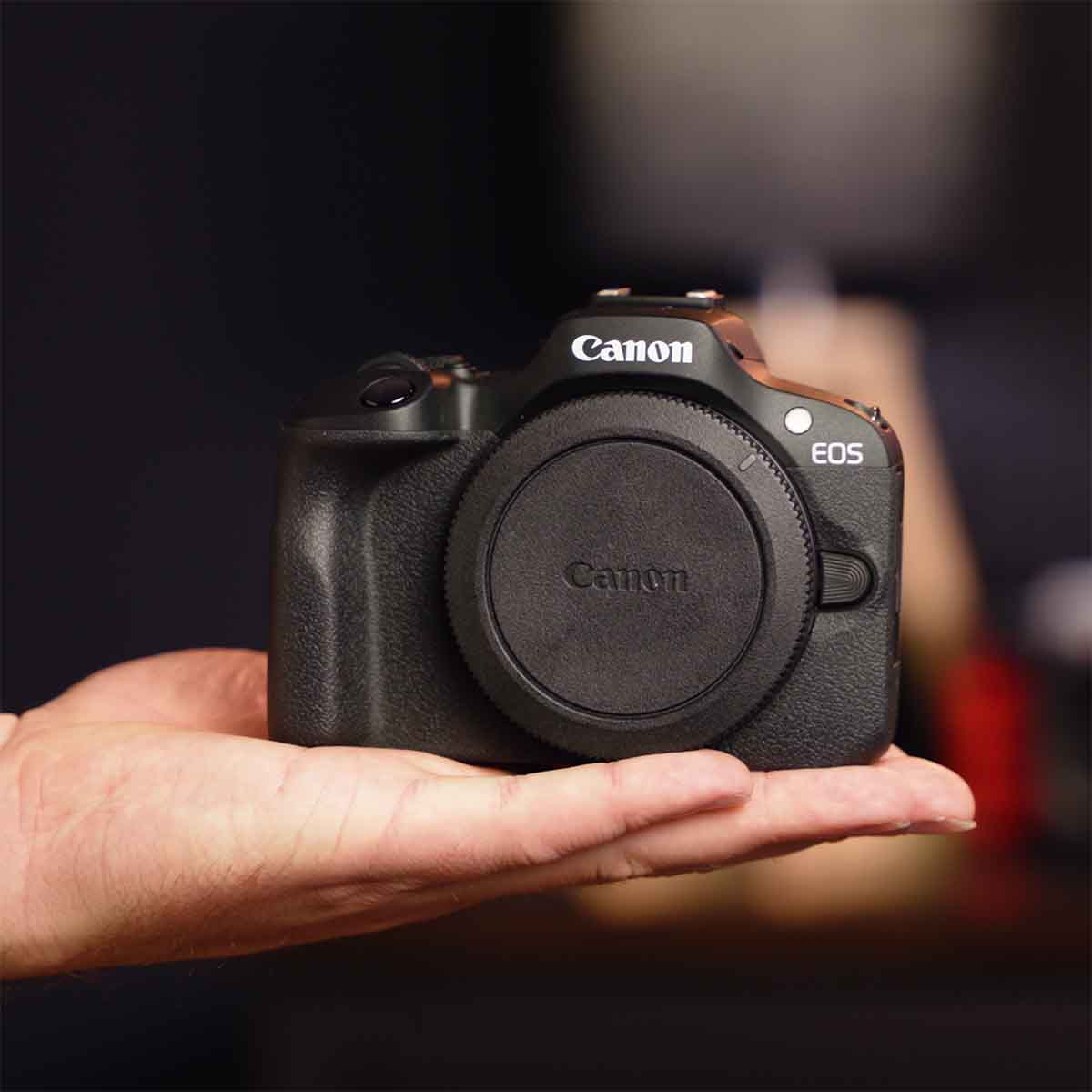
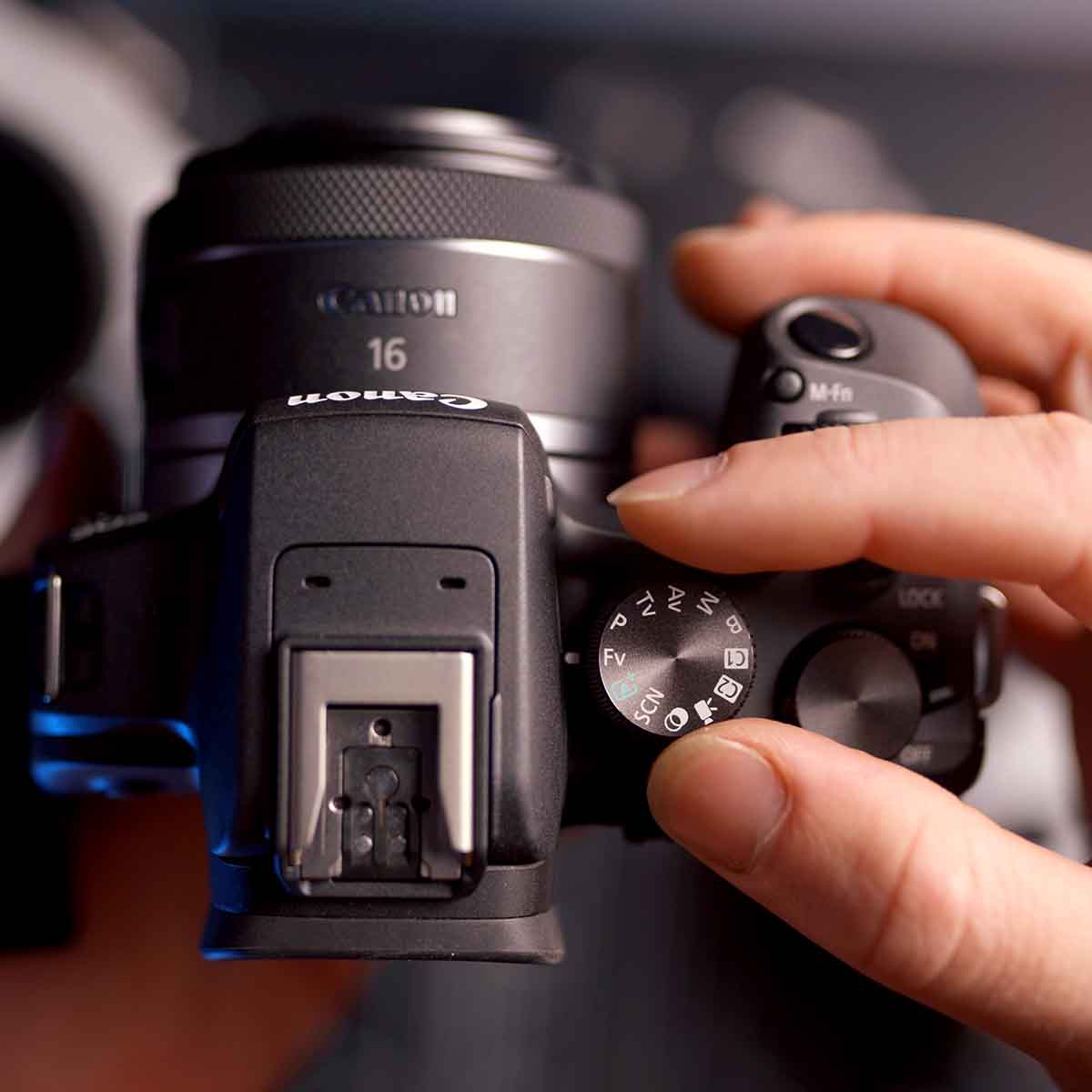
Thankfully, I wasn’t going in completely blind, I had an old Canon T7i I used on land, which gave me experience shooting wildlife on manual. But I wasn't going to invest in taking that old thing underwater. So I went with the mirrorless Canon R10. The button layout and menus of the Canon R10 are very similar to the T7i. On top of that, almost all controls on the Ikelite housing are 1:1 with buttons on the camera body itself, meaning muscle memory can smooth out the learning curve.
For my lens choice I brought my fisheye with RF to EF adapter, as well as my Canon RF-S 10-18mm ultra wide lens. I never used the fisheye as the 10-18mm proved great overall. The lens was wide enough to get the whole shark in action while they stuck their nose in the cage but still had enough zoom to capture them as they circle. That variability is what got me that stunning head-on smile shot featured below.

1/250 • f/7.1 • ISO 1600 © Jake Hiatt
Strobe Lighting
For strobes I have a set of RC232 Fiber Optic TTL Underwater Strobe with Video Light. Using the strobes proved the greatest challenge for me. Working in shallow, clear waters off the Bahamas spoiled me with plenty of natural light. But the darker waters off Neptune Islands made it paramount I use the RC232’s to the best of their ability. Utilizing TTL meant I could “set and forget” the strobes before I entered the cage and not have to worry about messing with power settings. This feature was great, due to lack of space needed to make adjustments once we were down 70-80 feet (21 - 24 meters) on the ocean floor.
Size & Handling
This setup as a whole couldn’t have been a better fit for this location’s requirements. Everything fit nicely divided between my camera bag and carry on, with enough room to still pack clothes.
In the cage is where it really outshined everyone else’s larger rigs. Of course, photographers being photographers… my buddies and I had a good chuckle at size difference among our setups. Mine being the smallest full kit of the lot quickly got laughs but the jokes all stopped when we realized the Canon R10’s compact DLM Housing was the only one small enough to fit through the cages’ slots which made for more pleasing images without the obstruction of the cage.
Plus, the rough waters of Neptune Island bounced and jerked the cage every dive. Try as I could to hold her steady, the camera still took a few good bounces off the cage bars but the housing held tight.

1/200 • f/7.1 • ISO 400 © Jake Hiatt
The Results
I started this trip not exactly knowing what to expect. I had a few ideas for shots I was hoping for but truly unsure what would be possible. I had goals of chase shots of the shark going after bait on the surface and I wanted some up close and personal cage action. But the shot I was most hungry for, was a dead on head shot.

1/200 • f/7.1 • ISO 400 © Jake Hiatt
The chase shots where by far the hardest. A whole lot of of waiting, camera trained on bait tied to the line in anticipation. Shooting with a high shutter speed, strobes set to match, just hoping to freeze the action. The R10 has a pretty quick autofocus so my greatest challenge came down to reaction time. After many failed attempts and missed opportunities, I finally managed to get a few I feel proud of.
Then there’s my favorite shot from the bottom cage. My setup was the only one that could fit through the bars in order to get that dead on head shot. That smile almost makes you forget you’re staring down a twelve foot apex predator. Thankfully, I had just enough zoom with my 10-18mm to catch her in frame before she turned.

1/250 • f/6.3 • ISO 1600 © Jake Hiatt
Final Thoughts
Overall, the Canon R10 makes an incredible setup for first timers. Not only for those who are new to underwater photography, but also for those new to traveling around the globe with a underwater setup. Most importantly, it’s a system that can grow alongside any new and aspiring underwater photographer’s journey. Australia may have been my first trip but it certainly won’t be my last. I already have several more queued up, with Orcas in the Arctic being the next on deck.

1/200 • f/7.1 • ISO 2500 © Jake Hiatt
Jake's Gear
- Canon EOS R10
- Canon RF-S 10-18mm Lens
- 200DLM/D Underwater Housing for Canon EOS R10 [Fiber Optic Update] # 69742-FBR
- Dual RC232 TTL Underwater Strobe with Video Light [Fiber Optic] # 40123
Additional Viewing
The BEST Entry-Level Compact Camera Housing Underwater Right NOW! // Canon EOS R10 [VIDEO]
Is It Time to Dump Your DSLR? Going Mirrorless with the Canon R10
Canon R10 with RF-S 18-150mm Lens Underwater at Tiger Beach
Canon RF-S 10-18mm UNDERWATER Review & Results [VIDEO]
Great White Sharks Underwater Camera Settings and Technique
Canon R7 10-18mm Underwater in 4K at Magdalena Bay [VIDEO]

Jake Hiatt is First Mate and Divemaster on The Dolphin Dream liveaboard specializing in shark dives and wild dolphin encounters. Born and raised in Florida he’s always had a love for wild places, both land and sea. When not on the boat he co-hosts wildlife expeditions from Norway to swim with Orcas to Peru and the Amazon with his girlfriend through her business The Wild Linds @thewildlinds. To see more of Jake’s work and follow along with his adventures follow his insta @Florida_Man_Jake.
![Canon RF 16-28mm Lens Review for Underwater Photo & Video [VIDEO]](http://www.ikelite.com/cdn/shop/articles/canon-16-28-review-jacques-de-vos-blog-cover_56aae82f-7a8a-4ea5-8db9-0976aa01ba61.jpg?v=1788531488&width=2000)
![Sony a7R VI Underwater Extended Cut from Yap // 4K 67MP [VIDEO]](http://www.ikelite.com/cdn/shop/articles/Sony_a7R_VI_Underwater_Yap_Blog_Cover_cb1828be-a4ad-4a50-9159-5d3dd030c393.jpg?v=1789134025&width=1800)
