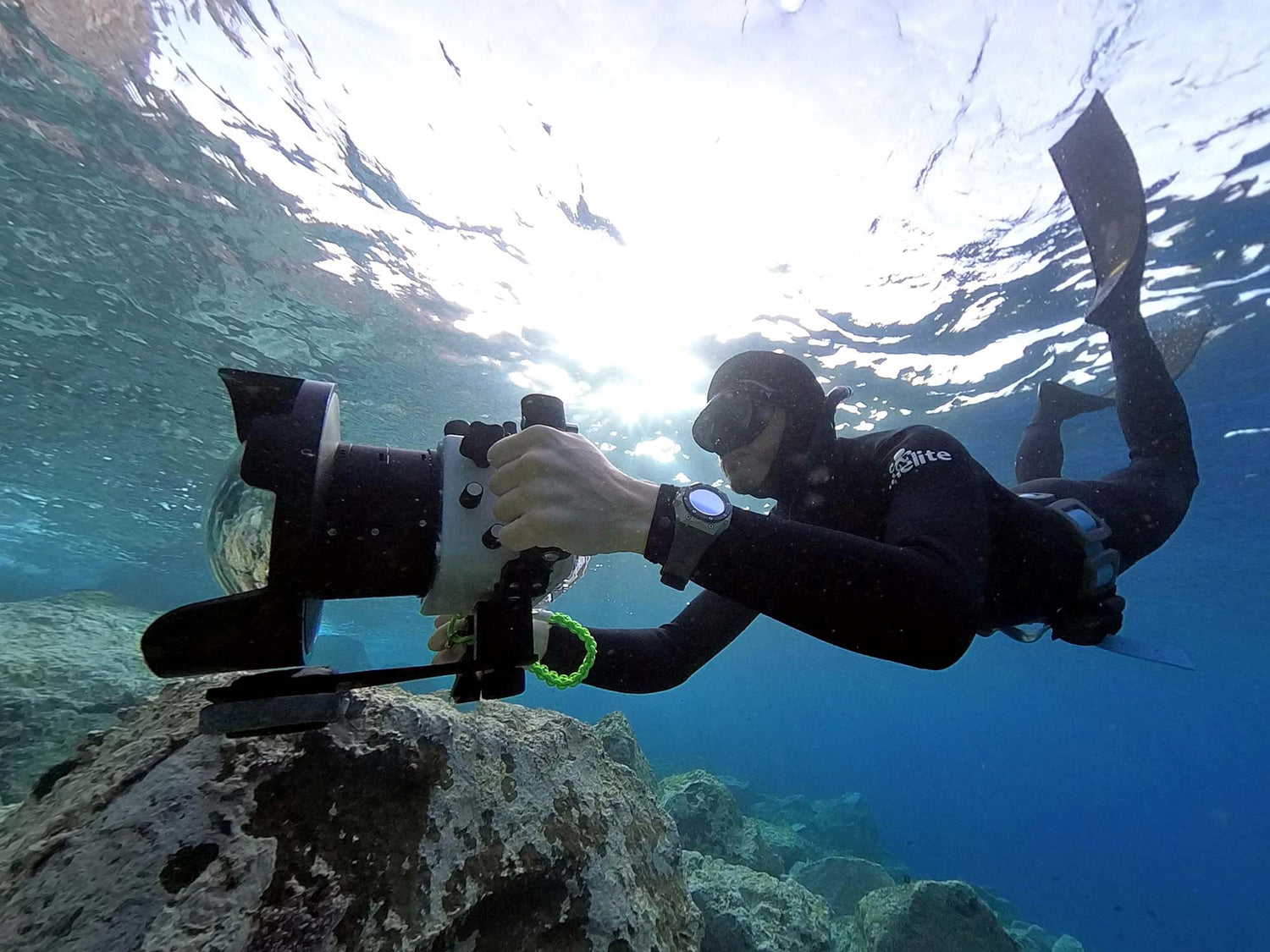
For professional underwater photographer and freediver Jacques de Vos, mastery is found in simplicity. After years of scuba training and earning multiple dive certifications, he traded compressed air for breath holds and committed fully to freediving. Today, he leads underwater expeditions around the world—from the sardine run in South Africa to diving with orcas in the Arctic—and has worked on award-winning projects with the BBC and Red Bull. He credits freediving as a key factor in helping him capture some of his most memorable images.
If you're wondering how to start freediving with a camera, Jacques believes success comes down to mastering a few essential skills, choosing the right equipment, and building confidence in the water. In this guide, he shares his advice for getting started, along with recommendations for underwater camera systems that work well for freediving.

Shots like this are only possible while freediving or snorkeling. Scuba gear is often prohibited around orcas and even where it is allowed it's often too slow and cumbersome to use when shooting animals like orcas when every second counts. © Jacques de Vos
Take a Freediving Course
Take a freediving course, regardless of your level. Courses with reputable instructors or freediving centers not only focus on going deeper and staying down longer but also enjoying freediving safely while being more efficient. They'll help you get deeper faster, and avoid injuries along the way. Sometimes just learning proper equalization techniques can have a big influence on your underwater photography or video.

With the rising popularity of freediving, finding a reputable course is easier than ever and will provide you the necessary skills to perform safe and successful dives. © Jacques de Vos
Start Simple
Start simple and build up your system in stages. Investing in every "extra" for your camera gear with little to no experience, or following poor advice, often results in a new user becoming overwhelmed and losing interest early on. I usually recommend people start with nothing more than the camera, a wide angle lens and the proper housing and dome for it.
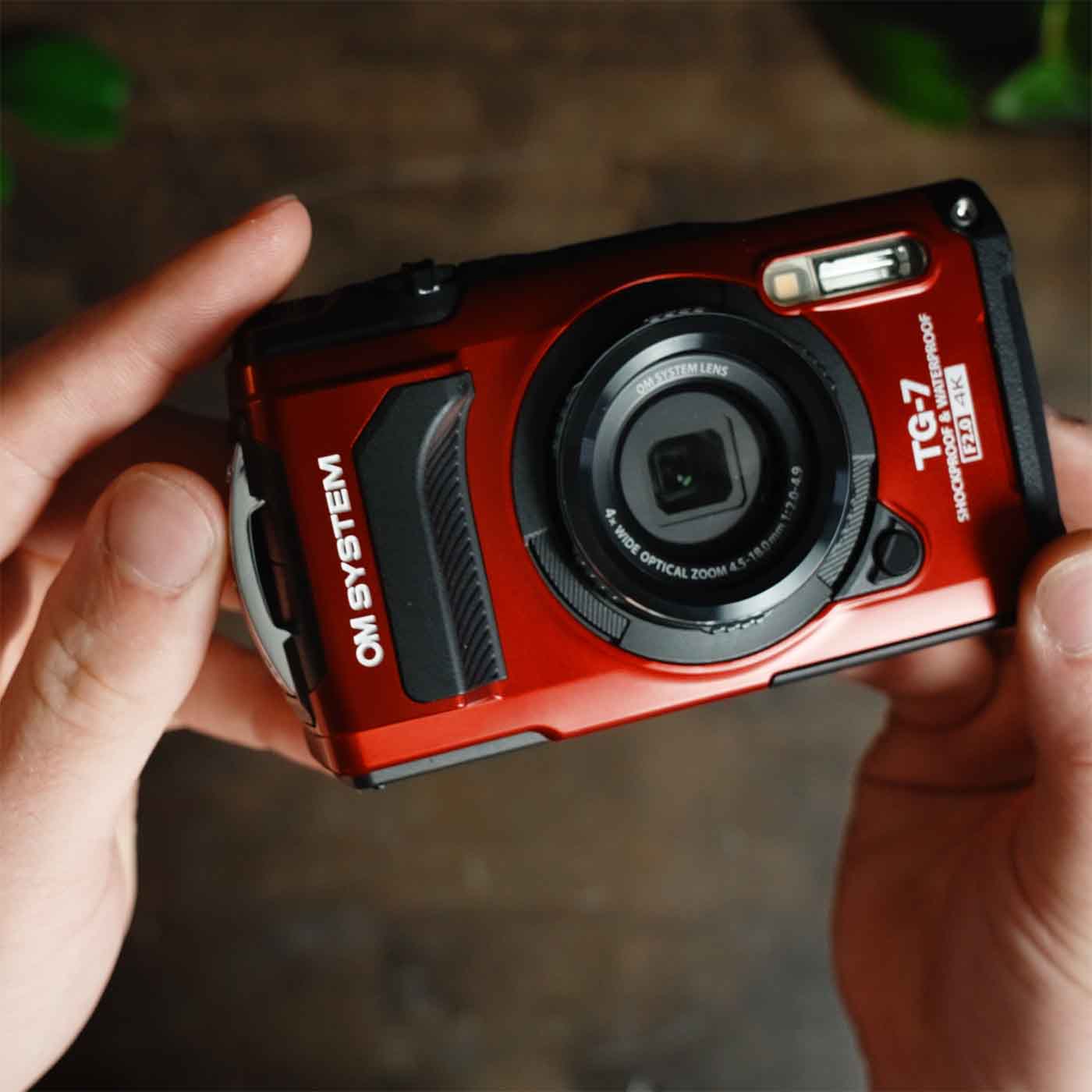
RECOMMENDED SYSTEM: OM System TG-7 with Dome Port

Start simple, don't overburden yourself when you're just getting started. A compact system is a great way to get your feet wet while you build up your skill level and learn what additional equipment will most benefit your style of shooting. © Jacque de Vos
As you gain confidence and become familiar with your setup, you can start investing in specific areas based on what you might feel is worth exploring. Perhaps strobes (good for fill light in wide angle and macro shots), a right-angle viewfinder (excellent for photography while freediving) or even fluorescence filters for a whole new take on night dive photography. The more you play with your equipment, the more you will discover where your interests are.
EQUIPMENT UPGRADE: 45º Magnifying Viewfinder for Mirrorless or DSLR Cameras

Shooting a more robust system with a full size dome port is made easier underwater with the addition of the Trim Weight System pictured here. This will help keep your system balanced and easy to shoot with sharper stills and smoother video.
The Perks of Maneuverability
One of the biggest advantages with freediving while shooting video is the ability to shoot tracking or continuous shots through varying depth. With scuba diving it is not possible to ascend and descend quickly. However with freediving you have the ability to show a fish, freediver, or even a whale travel through the water column (both up and down) and this can make for captivating footage.

Dolphins are notoriously fast and unforgiving when it comes to rapid ascent/descents, freediving is a major advantage if you're trying to shoot them underwater. © Jacques de Vos
Like many things this does require some practice and it is very important to master equalization while manipulating a camera before attempting rapid dives to depth. Managing your equalization while keeping an eye on your subject all while using both hands to steady your camera takes a bit of coordination and experience!
Best Underwater Systems for Freediving
A compact system like the OM System TG-7 is a great place to start. It's a small system, user-friendly, and capable of insane images.
BEGINNER SYSTEM: OM System TG-7 with Dome Port

LEARN MORE: OM TG-7 BEST Wide Angle Option Underwater // FCON-T02 Fisheye Lens [VIDEO]
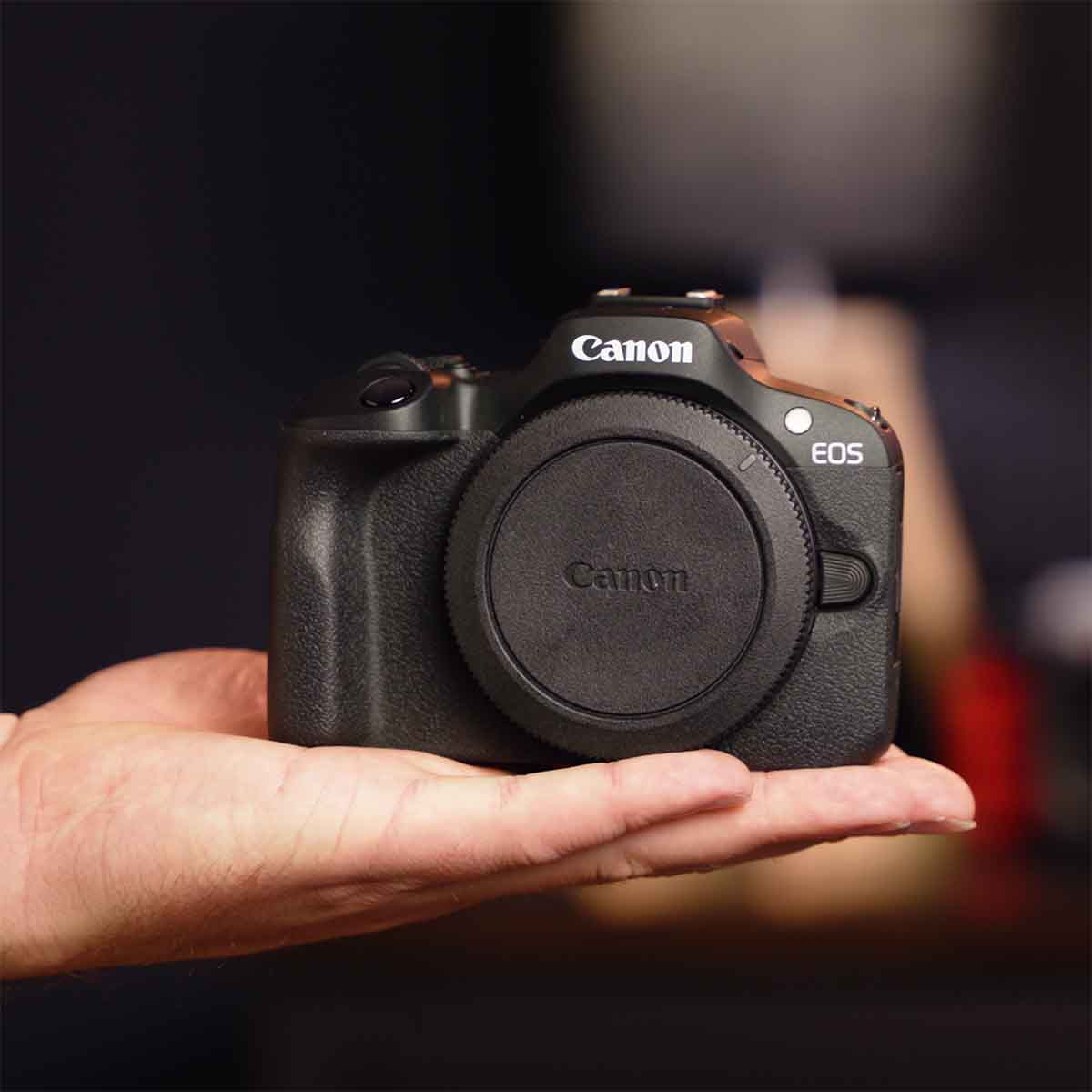
Once you're more comfortable in the water, it could be time to level up to a mirrorless interchangeable lens camera. A mirrorless camera will provide faster autofocus, higher resolution, and a much wider lens selection.
JACQUES' SYSTEM: Canon EOS R5
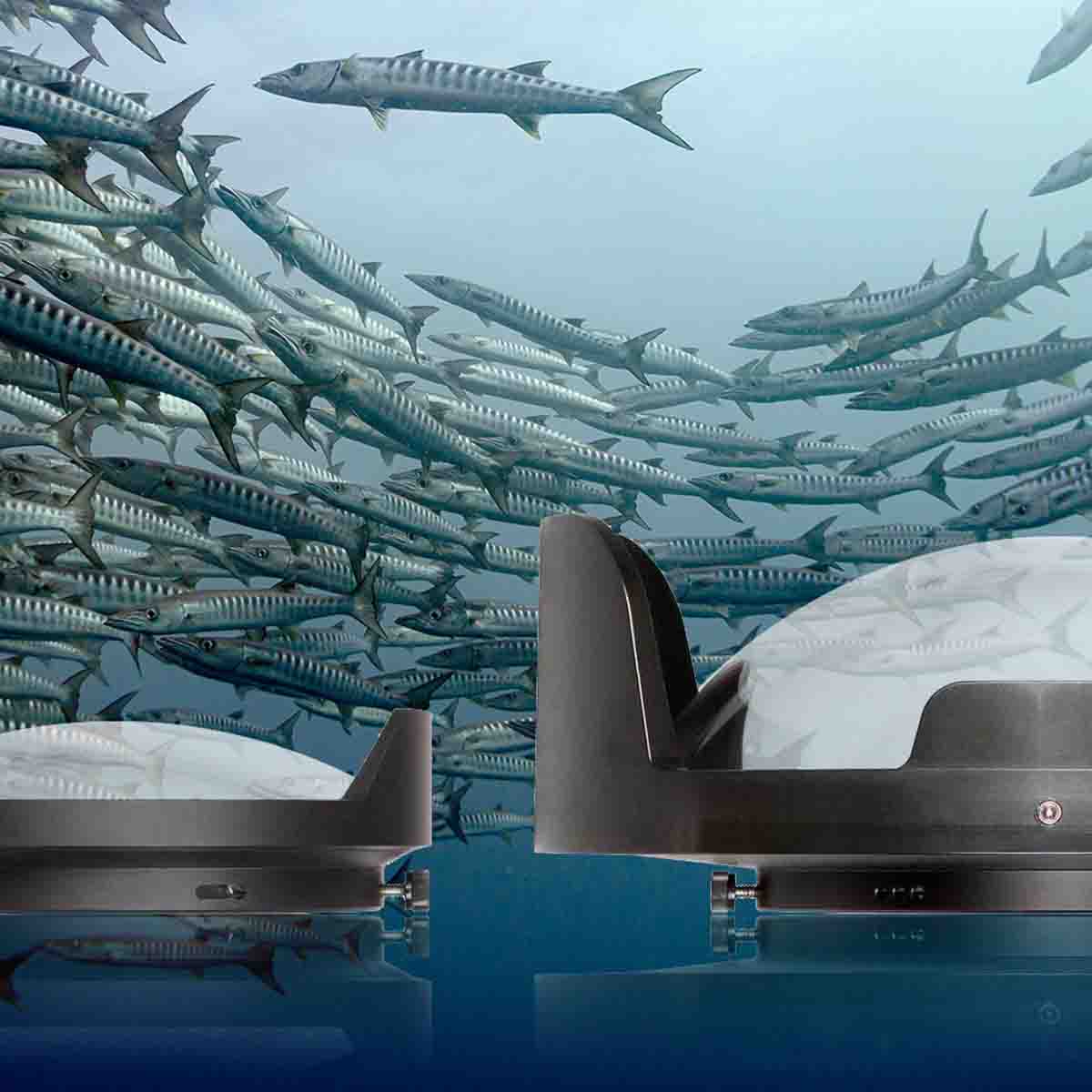
If you're already shooting a mirrorless system, opt for a compact dome port which will streamline your system for easier movement underwater. The lower volume of a compact dome port will make the housing less buoyant, making your descent easier, and will create less drag when swimming through the water.

LEARN MORE: When to Use a Compact 8" Dome Port Underwater
If you're committed to a full size dome port (we don't blame you, you'll have plenty of time at the surface for split shots), you'll want to add a trim weight system which will keep your system balanced and prevent wrist-fatigue.

LEARN MORE: Achieve a Perfectly Balanced Mirrorless or DSLR Housing [VIDEO]
Ready to Go?
Freediving with a camera is requires practice but the results can be hugely rewarding. Choosing the right gear doesn't have to be a challenge. Contact us for help setting up your system today.
Want to Freedive with Jacques?
Join one of Jacques' ethical, small group expeditions in Norway or South Africa, visit his website to learn more.

Image © Logan Wood
Additional Viewing
My Arctic Ikelite System // Jacques de Vos' Underwater Housing Gear [VIDEO]
Photographing Dolphins on a Sardine Run with Jacques de Vos [VIDEO]
Freediving with Orcas // Following a Dream To Norway [VIDEO]
Using Ikelite Housings in Arctic Cold or Extreme Heat
Diving the Cape Peninsula // South Africa Underwater [VIDEO]

Ambassador Jacques de Vos started out shooting photos and video underwater on his days off as an engineer in the oilfield services. After progressing through scuba instructor and commercial diver certifications, he took up free diving. Before long, Jacques gave up both engineering and compressed air to become a full time photographer, videographer, and free diving instructor. Completely self-taught, Jacques has won several prestigious international UW photography awards; his photography has been published worldwide in several books and publications, and he now also works as a camera operator on projects for companies like the BBC and Red Bull. Jacques now spends several months a year free diving with Orcas in Norway and travels the world the rest of the time. Read more...
![Fluorescence Photography Underwater // Everything You Need [VIDEO]](http://www.ikelite.com/cdn/shop/articles/steve-miller-fluoro-blog-cover_754069ea-d3c8-45be-9b9d-7fccb95ca4fb.jpg?v=1784902380&width=1500)
![Shooting the Salmon Run // Pink & King Salmon Spawning in Canada [VIDEO]](http://www.ikelite.com/cdn/shop/articles/steve-miller-salmon-run-video-cover_66472948-92c7-4a1f-b631-e626791ca40c.jpg?v=1786718961&width=2000)
