


![Fluorescence Photography Underwater // Everything You Need [VIDEO]](http://www.ikelite.com/cdn/shop/articles/steve-miller-fluoro-blog-cover_754069ea-d3c8-45be-9b9d-7fccb95ca4fb.jpg?v=1784902380&width=1500)
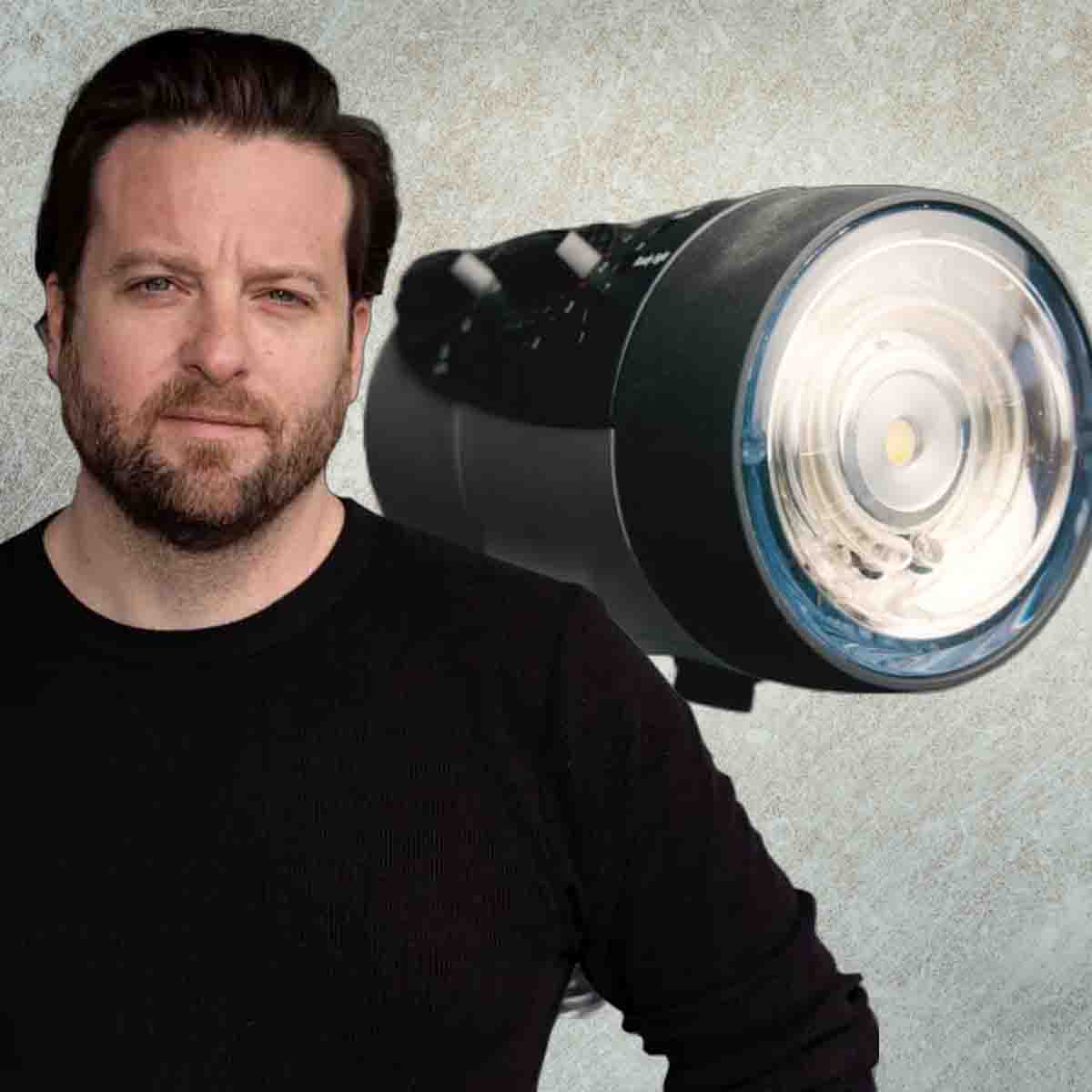
Featuring Steve Miller
Fluorescent photography underwater will make your favorite dive site look like an entirely new place. Steve Miller walks through the gear, technique, and tips to get started in this unique way of photographing the underwater world.
If you're more of a reader, scroll down to view the article version of this video.
Fluorescent Photography Underwater
The first time you take your camera and lights with you on a night dive, you'll be very impressed by the colors. The colors will be very vivid compared to what you see during the day. A lot of people like to do their macro at night because there's more life out at night, and again, with 100% artificial light, you're going to see brilliant reds and oranges and yellows. But these are the wavelengths that we're recording from the white lights that we carry with us. But, there's another kind of photography that's fascinating called fluoro, or fluorescence.
![Fluorescent Photography Underwater // Everything You Need [VIDEO]](https://cdn.shopify.com/s/files/1/0866/6704/files/steve-miller-fluoro-crocodilefish-eye_1024x1024.jpg?v=1784847527)
This is the "million dollar" eye of a crocodilefish. You'll be surprised at the variety of marine life that fluoresces when you've got the right equipment. © Steve Miller
Fluorescent Filters
Fluorescence is when we use special filters to only bathe our subject in ultraviolet light. And then we use an exciter filter, or a yellow filter, basically over our eyes or over the camera lens, to bring out fluorescing animals. Tons of invertebrates and corals will fluoresce.
The interesting thing about fluoro is that to bring out these colors and see the animal or the thing that is fluorescing, we have to bring these specialized lights with us that will negate every other thing that is not fluorescing.
![Fluorescent Photography Underwater // Everything You Need [VIDEO]](https://cdn.shopify.com/s/files/1/0866/6704/files/ikelite-fluoro-underwater-system_1024x1024.jpg?v=1784856089)
To shoot fluoro underwater you'll need a dichroic excitation filter on your strobe and a yellow fluorescence filter on your mask and camera system.
How to Start a Fluoro Dive
When we set ourselves up to dive or photograph fluoro, the things that are fluorescing are going to be very bright. You start on the surface and turn on your "fluorescing lights" (dichroic filters over your white lights) and what you're going to notice is that the things that are fluorescing, you can see them from very far away - 20 to 30 feet (6 to 9 meters) - even if it's on the outside of the visibility, it's going to stand out like a sore thumb because these things actually glow.

Fluorescence underwater looks a lot like a black light poster with its vivid colors. It's a great way to spice up your underwater imagery. © Steve Miller
Photographing Subjects
Once you've found a subject that is fluorescing and you want to capture it, the setup can be done a few different ways. What I like to do is know where the subject is and then remove mask filter so that I can see around me and start shooting at that point.
Now, when you're shooting with dichroics, you're going to notice a couple things. One is that they cut down the strobe power a lot. This is something you're going to have to play with on your settings. TTL can work, but you can also just put the strobe on high power and stop down the lens. This is going to be something you have to play with because a dark red fluorescing is going to absorb a lot more light and need a lot more light than the bright green. Bright green is what you run into most of the time. The really bright, bright green is going to image very well, but you're going to have to work with your strobes a little bit and probably use a little more light than you're used to.
I'd encourage you, in the beginning, to position both of your strobes so that they're converging on your subject. In the very beginning, just bathe it in light, get as much light on it as you can before you get tricky with shadows and moving your strobe around backlighting, that kind of thing.
![Fluorescent Photography Underwater // Everything You Need [VIDEO]](https://cdn.shopify.com/s/files/1/0866/6704/files/steve-miller-fluoro-coral_1024x1024.jpg?v=1784847526)
Green is the most common color you'll see underwater when shooting fluoro. © Steve Miller
Fluorescence photography is a lot of fun, especially if you're doing it on a familiar dive site. It will make your favorite dive site look like an entirely new place. We make all of the filters, the excitation filters, the dichroics, that you would need to equip your Ikelite system for fluorescence diving. If you have any questions, just reach out.
Equipment Needed
- Dichroic Excitation Filter # 4069.1
- Yellow Fluorescence Filter for 3 Inch Diameter Ports # 6441.11
- Yellow Fluorescence Filter for Dive Mask # 6441.19
Additional Viewing
Fluorescence Underwater Photography Camera Settings and Technique
Fluorescence Photography to Enhance Your Night Dive [VIDEO]
Fluorescence and Luminance Underwater Photography
Just Add Light: Enhancing Underwater Photography with Colored Lighting
 Ambassador Steve Miller has been a passionate teacher of underwater photography since 1980. In addition to creating aspirational photos as an ambassador, he leads the Ikelite Photo School, conducts equipment testing, contributes content and photography, represents us at dive shows and events, provides one-on-one photo advice to customers, and participates in product research and development. Steve also works as a Guest Experience Manager for the Wakatobi Dive Resort in Indonesia. In his "free" time he busies himself tweaking his very own Backyard Underwater Photo Studio which he's built for testing equipment and techniques. Read more...