

Article By Douglas Klug
Cover Image © Art Levit
When it comes to underwater photography, who doesn’t like upgrades? As an underwater photographer, changes in equipment challenge but also open up new possibilities in imaging.
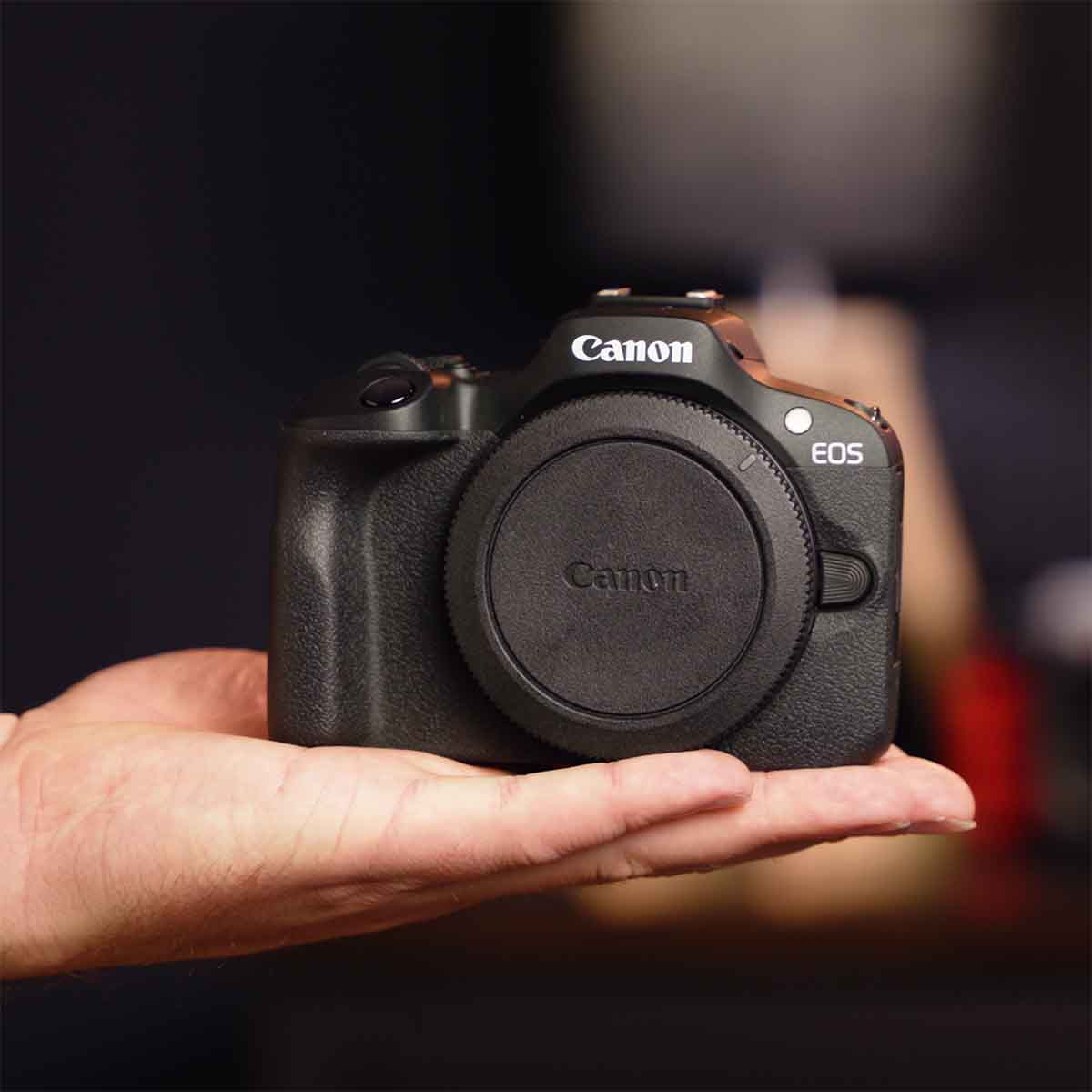
I’m still shooting a Canon R7 in a DLM Underwater Housing with dual strobes, but I’ve recently made some changes to my well-loved underwater system. On a recent trip to Southern California’s Catalina Island, I put them all into play.
Here’s what I changed on my personal system, why I made the changes, and the results.
Fiber Optic TTL
WHAT CHANGED: For years, I shot with Ikelite’s TTL sync cord system believing that was the best way to ensure the strobes and camera were communicating. Though fiber optic has been around for quite a while, the circuitry driving it continues to evolve. With Ikelite’s release of the TTL fiber optic connection, I re-evaluated those ideas and made the switch.
WHY: Ikelite’s TTL fiber optic, paired with the RC232 fiber optic strobes, fires the strobes even faster than the older TTL sync cord. The TTL fiber optic connection keeps up with the R7’s high speed continuous “burst” shooting, so that as long as the camera doesn’t need ALL the power the strobes can deliver, there’s a rapid flicker from my strobes with each burst.
LEARN MORE: BURST shooting // Changing Drive Mode to your advantage underwater [VIDEO]

Burst shooting gives you plenty of frames to choose from, and Ikelite's fiber optic TTL on the RC232 Strobes nails the exposure every time. © Douglas Klug
I’ve had buddies ask me if my strobes are “pre-flashing” to tell the camera what the lighting will look like. The truth is that each flash is a separate frame, just fast. In the constant motion world of underwater photography, this can create quite a stunning series of images that almost resemble “stop motion” photography. In today’s social media world, successfully shooting sequences of images fit nicely into the ever popular “reels,” instead of single display images.
THE RESULTS: A classic Southern California Reef provides the perfect example of how the combination of high-speed continuous shooting and the TTL fiber optic controller sync up, capturing well lit images in a sequence over just a couple of seconds.
Strobes
WHAT CHANGED: Most underwater photographer agree that dual strobes provide a more balanced lighting than a single strobe, especially when shooting wider angle shots. I used a reliable pair of Ikelite DS161 strobes for years. When the RC232 was released, I learned about its dual capacitors and how they let the RC232 store more power for more flashes before the strobe needed to recharge itself from the battery. I was sold on it right away.
WHY: I’m talking about the “reserve” power that you hear the strobe build up when you power it on. Those capacitors can either dump all their power with one drop of the shutter if shooting at full power, or in most cases, just a fraction of it. TTL helps with this since the camera tells the strobe how much power to dump into the strobe to achieve the desired lighting. It’s rare that the TTL setting requires all the power stored in those capacitors. Since I primarily shoot with the camera in high-speed continuous (aka “burst” mode), the extra power ensures even lighting through the duration of the burst.

Learn more about how to photograph Garibaldi: Growing Up Garibaldi: How to Shoot Every Life Cycle of this Iconic Fish. © Douglas Klug
THE RESULTS: With neon blue spots over its brilliant orange, the juvenile Garibaldi is a great photographic subject. Their habit for hiding in dark rock crevices, however, means that dual strobes are helpful in casting even lighting without harsh shadows.
Lenses
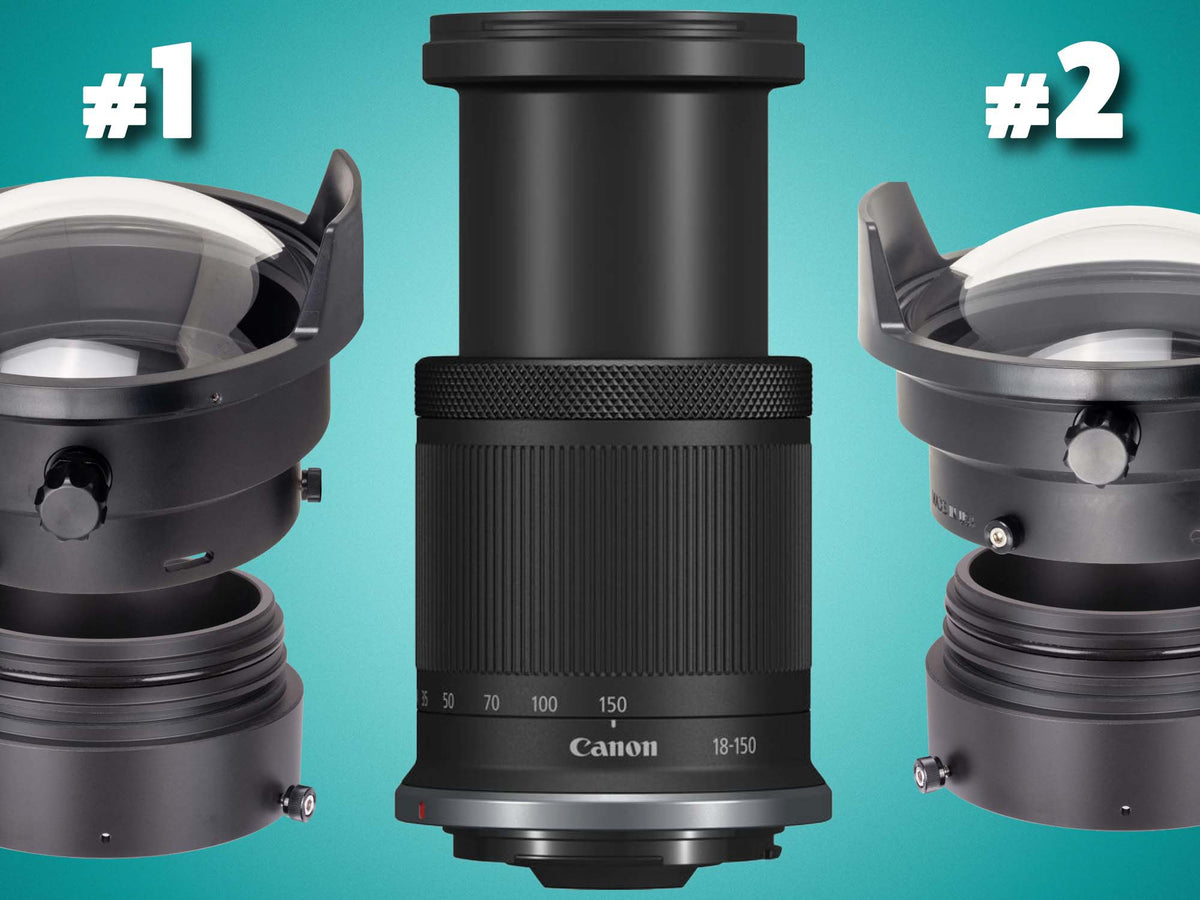
WHAT CHANGED: For my entire career as an underwater photographer, lens and port selections were made long before the dive and zoom options were limited. A true zoom lens always provides a clearer image than a digital zoom, which simply makes an electronic cropping of what the camera sees. With Canon’s 2022 release of RF-S 18-150mm, and Ikelite’s ability to fit that lens into port and extension combination, those rules have been re-written.
WHY: The ability to shoot both wide and macro on a single dive is great, but the zoom benefit is just as important. Now, small and shy subjects can be brought in to fill the frame from a distance that doesn’t spook them!
LEARN MORE: One Dive, One Lens // Canon RF-S 18-150mm Lens Review for Underwater [VIDEO]

The Canon RF-S 18-150mm lens at 47mm provides the broader picture. © Douglas Klug

At 70mm the RF-S 18-150mm zooms in on the finer details. © Douglas Klug
THE RESULTS: The iconic Catalina goby, aka the blue-banded goby, is a tiny fish that’s notoriously hard to approach. The RF 18-150mm let me capture both the small clusters of fish hiding under the spines of an urchin, then zoom in and get a sharp image of an individual fish.
Upgrade Your Gear
As you’re getting your system ready for diving, take a look at what upgrades might be available for your own gear to help you step up your underwater photographs even more. Reach out to the Ikelite team if you need helping choosing the right lens, lighting, and accessories for your camera system.
Equipment Used
- Canon EOS R7 Mirrorless Camera
- Canon RF-S 18-150mm f/3.5-6.3 IS STM Lens
- 200DLM/D Underwater Housing for Canon EOS R7 # 69746-FBR
- +4 Diopter Close-Up Lens with 55mm Thread # 096340-M55
- DLM 1.2 Inch Port Extension # 5516.65
- Zoom / Focus Gear # 5515.18
- Dual RC232 TTL Underwater Strobe with Video Light [Fiber Optic] # 40123
Additional Viewing
More Power, Smaller Package: Moving to Mirrorless with the Canon R7
Faster, Brighter, Fiber Optic // Introducing RC232 Strobe + Video Light Hybrid [VIDEO]
From Sunbursts to Sea Slugs: The Versatility of Canon RF 18-150mm Underwater
Is It Time to Dump Your DSLR? Going Mirrorless with the Canon R10
TTL Underwater Strobes for Canon R10 (and R7) // Setting It Up [VIDEO]

Douglas Klug has been diving California’s Channel Islands for over 30 years as a SCUBA diving instructor and underwater photographer in Santa Barbara, CA. Doug specializes in underwater photography within the kelp forest environment. His photo-essays have been published in print world-wide, including articles in California Diving News, DAN Alert Diver, and Dive Training. Doug’s images have been used in many publications and by the US National Park Service, US National Marine Sanctuary, the Monterey Bay Aquarium, Google, and Microsoft. Doug even does live talks on underwater photography for dive clubs and museums in Southern California. See more...
![RE-charge Between Dives // USB-C Bulkhead SAVES THE DAY!! [VIDEO]](http://www.ikelite.com/cdn/shop/articles/usb-c-dr-recharge-blog-cover_22033e5d-50e8-49c9-9ab8-d7b25468d526.jpg?v=1780662513&width=2000)