


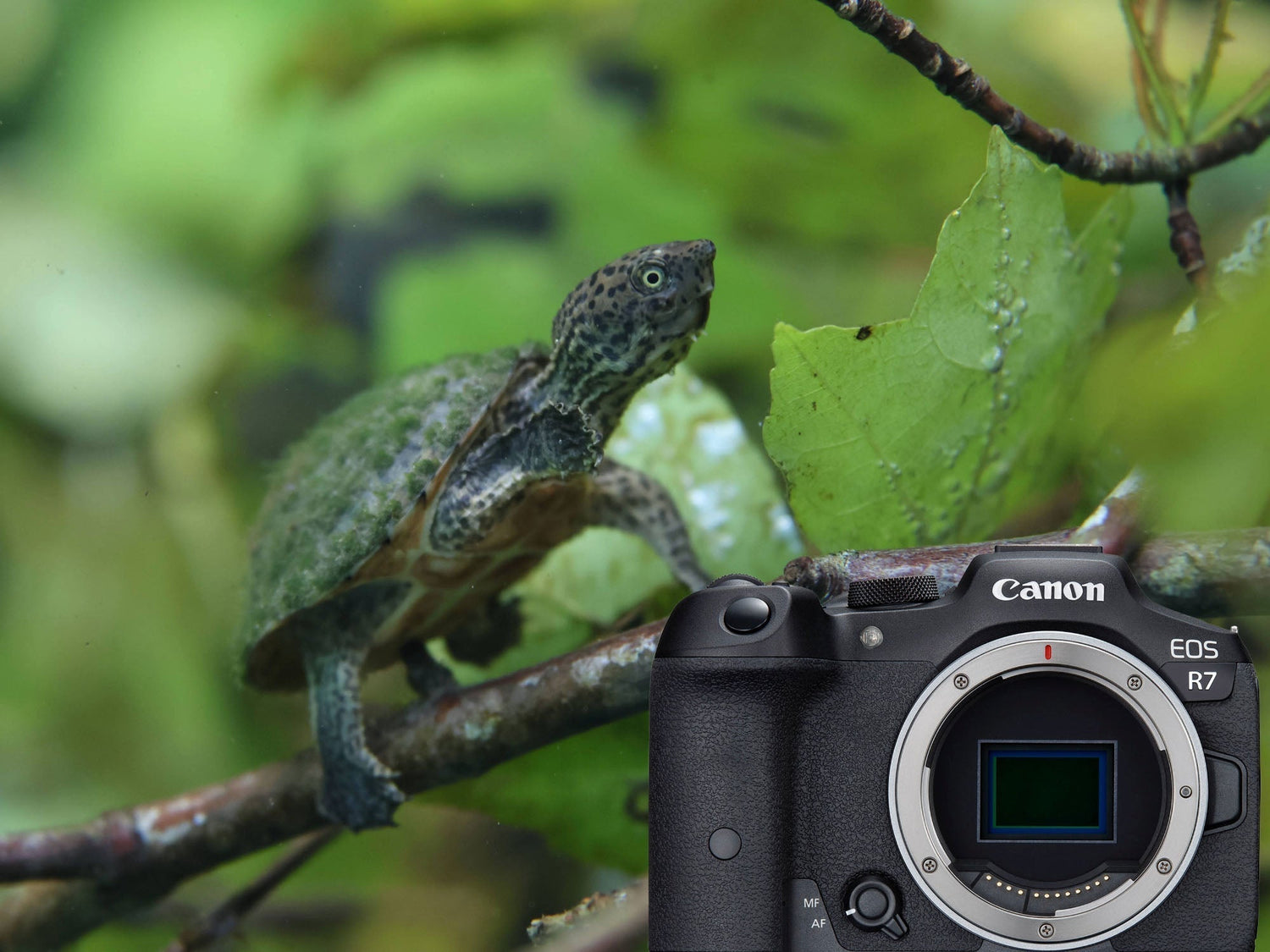
A few weeks ago, I received my eagerly awaited underwater camera equipment from Ikelite. This post details my new setup and my initial impressions after testing it out in a Florida spring.

The new, upgraded system: Canon R7 mirrorless camera inside the Ikelite 200DLM underwater housing with dual RC232 fiber optic strobes with video light.
The Limitations of Point-and-Shoot
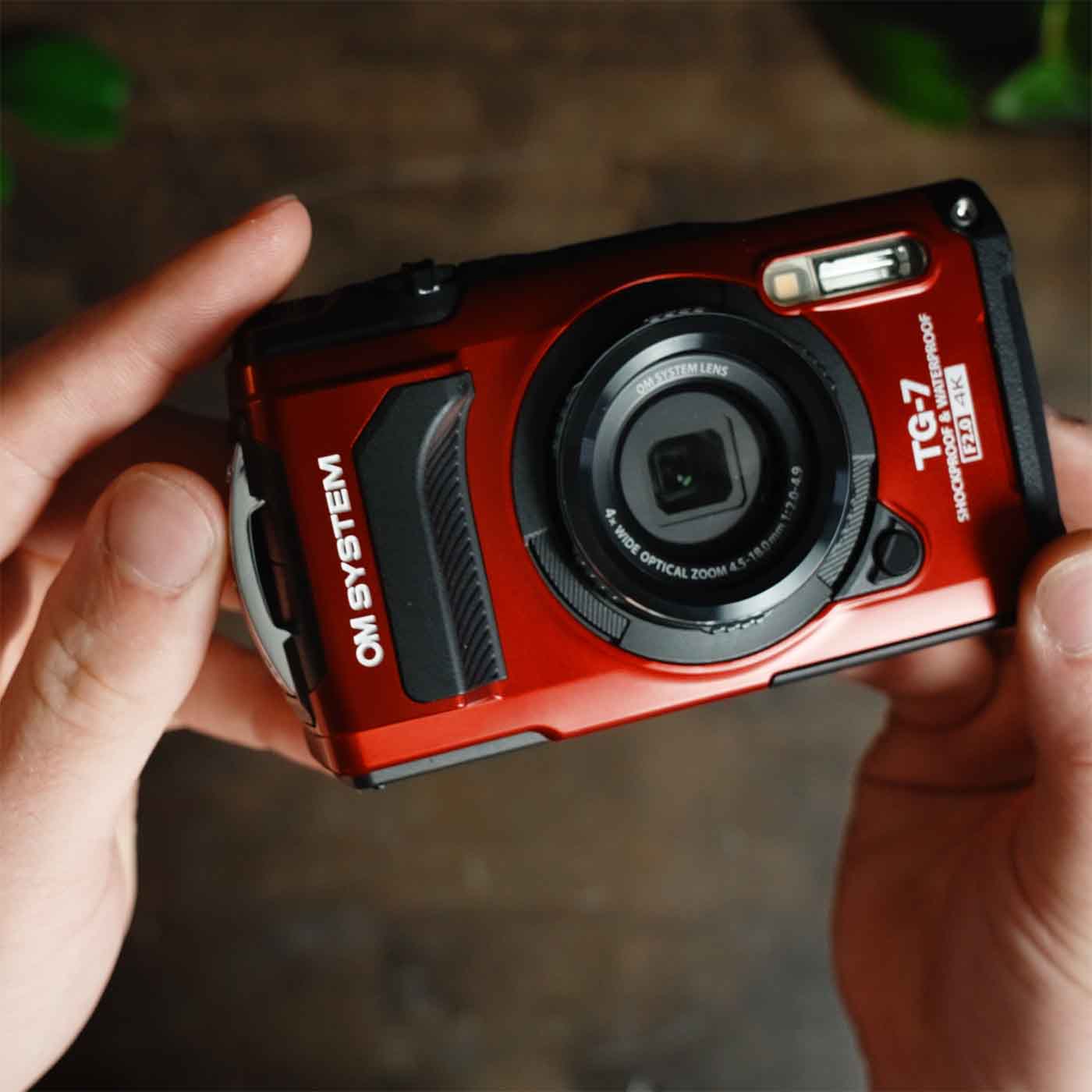
Prior to getting my new setup, all my underwater photography and video was performed using a compact waterproof digital camera, the OM System TG-7 (and the earlier TG-6 model by Olympus). In my opinion, the primary advantage of a compact digital camera is the simplicity. The camera is small, easy to travel with, works on everything from macro to wide-angle, and there is no setup required.
Over the years, the OM System Tough Series cameras served me well and I used it to photograph and record video of everything from tiny livebearing fishes in the streams of Costa Rica to huge manatees in Florida Springs.

A West Indian manatee, looking rather walrus-like, in a Florida spring. This image was shot with the Olympus TG-6 © Andrew Furness
However, lately I was finding this camera a bit limiting. Furthermore, it became increasingly clear that my favorite underwater photographers had waterproof housings for their preferred (often mirrorless) cameras, which allowed them to take high quality underwater photos without being limited to one of the very few cameras which are already waterproof. So, I decided to upgrade.

A loggerhead musk turtle leaps from its perch on a recently fallen tree. // Canon R7 + Canon 100mm f/2.8 Macro Lens • 1/320 • f/2.8 • ISO 1000 © Andrew Furness
Making the Switch to Mirrorless
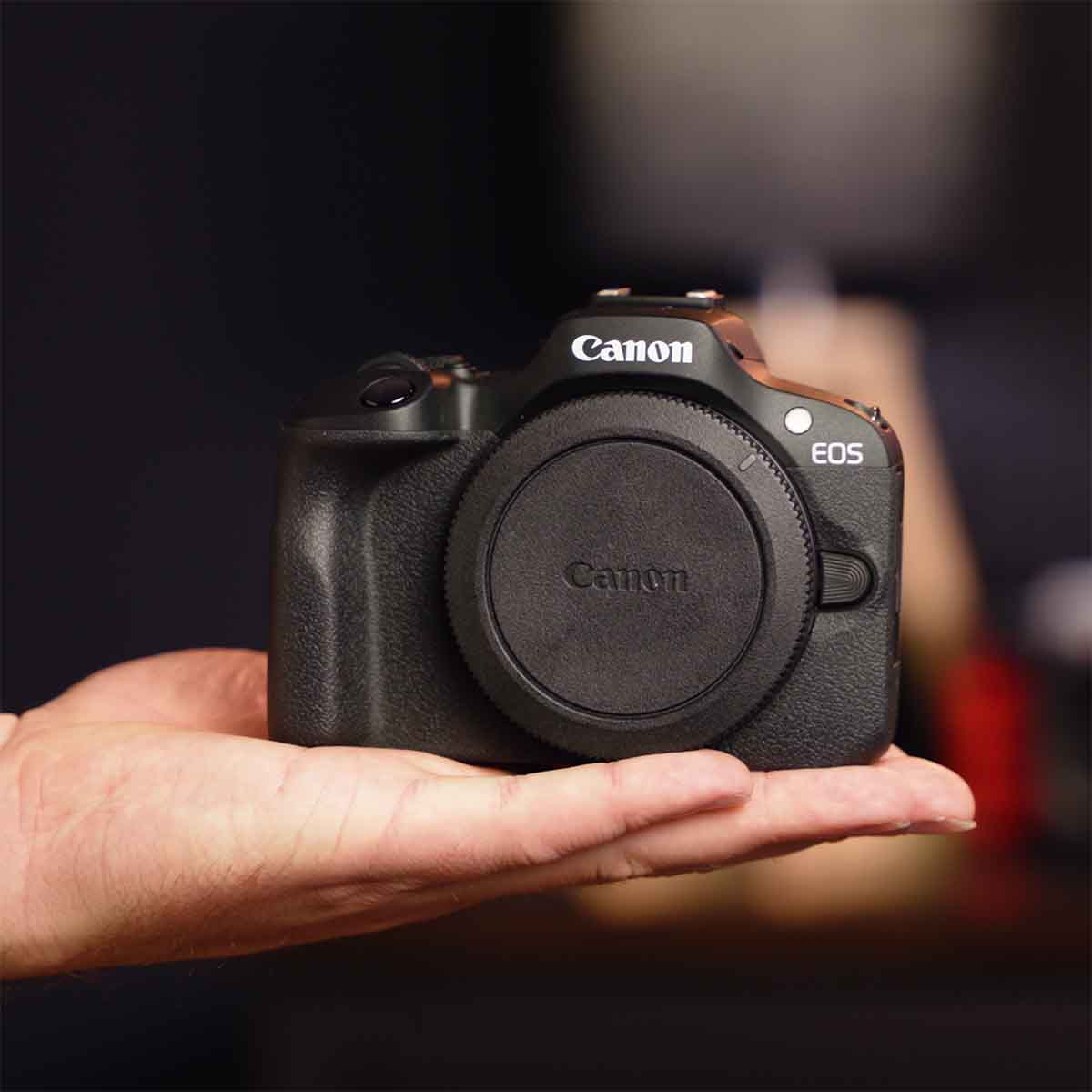
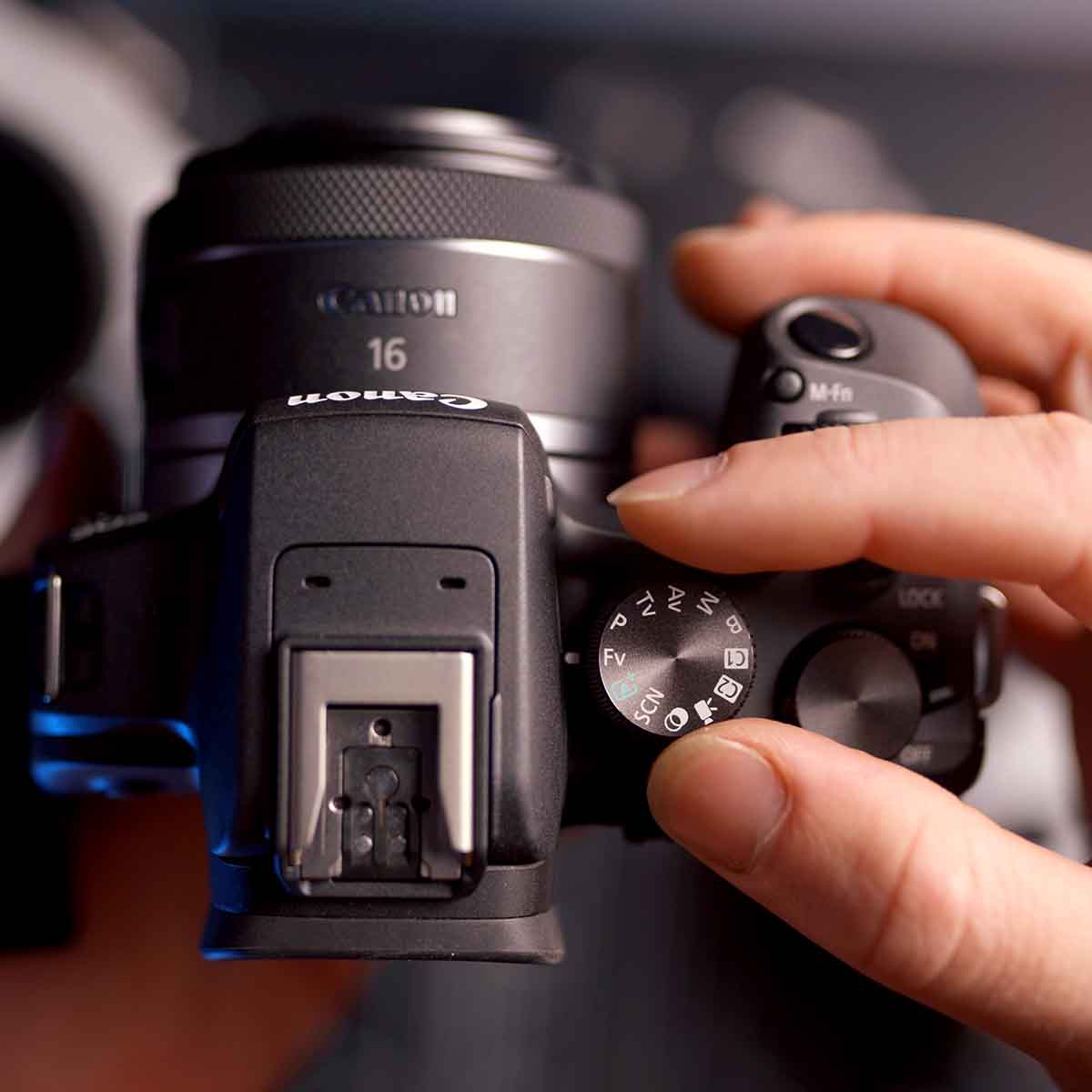
For land-based wildlife photography I use a mirrorless Canon EOS R7 and am quite happy with this. So, my first question was whether this would be a good choice underwater. Reading about the experiences of Ikelite Ambassadors Bryant Turffs and Bill Hawthorne was helpful, as were the recommendations of Ikelite staff. I ended up getting an Ikelite 200DLM Underwater Housing for my Canon EOS R7 camera, DLM 6” dome port, two RC232 Fiber Optic TTL Underwater Strobe with Video Light, and several accessories to tie the system together (i.e. adjustable ball arms, cable grip). Given the importance of lighting in underwater photography, I figured the top-of-the-line RC232 strobes would be a good long-term investment. That is, even if at some point I changed camera and housing the strobes would stay. I also liked that, in the latest update, the strobes are synced directly to the camera via fiber optic cables, and they produce both flash (for photography) and a continuous light beam (useful for video). My plan was to use the camera for both underwater photography and video, mostly while snorkeling in Florida’s fresh waters.

A recently fallen tree, still with green leaves, provides habitat for a spotted sunfish. // Canon R7 + Canon RF-S 10-18mm Lens at 18mm • 1/100 • f/6.3 • ISO 400 © Andrew Furness
Field Testing the System
I did a test setup of the system to make sure I knew what I was doing before taking it underwater. I decided to test it out in a clear water Florida spring, near where I live. For this outing I used a wide-angle Canon RF-S 10-18 mm lens. My plan was to attempt close focus wide angle photography and capture the details of a focal animal (in this case likely a fish or turtle), while simultaneously capturing lots of background scenery due to the wide field of view.

Spotted sunfish amongst aquatic vegetation. // Canon R7 + Canon RF-S 10-18mm Lens at 18mm • 1/100 • f/6.3 • ISO 400 © Andrew Furness
I was able to get a few decent images, and was impressed with the new system. However, I still have a lot to learn about how best to adjust my camera settings underwater and to position the strobe lights to avoid backscatter.
The following week, I returned to the same spring – this time with my new macro setup (Canon RF 100mm lens, Ikelite DLM Dome Port Extension and 3.2” Flat Port). I opted to forgo the strobe lights entirely as I would be shooting in shallow well-lit water and figured having a smaller profile might be advantageous when photographing small creatures in potentially tight quarters.

Peering at me from behind a branch. // Canon R7 + Canon 100mm f/2.8 Macro Lens • 1/320 • f/3.2 • ISO 3200 © Andrew Furness
Final Thoughts
In conclusion, I am glad I finally made the jump to this new setup and am excited to grow my underwater photography skills in the years to come.

Clinging to a branch in the current of the spring. // Canon R7 + Canon 100mm f/2.8 Macro Lens • 1/320 • f/3.2 • ISO 1000 © Andrew Furness
Get the Gear
- 200DLM/D Underwater Housing for Canon EOS R7 [Fiber Optic Update] # 69746-FBR
- RC232 TTL Underwater Strobe with Video Light [Fiber Optic] # 40123
Additional Viewing
More Power, Smaller Package: Moving to Mirrorless with the Canon R7
I Shot the TG-6, Here's Why I WON'T Upgrade to the TG-7
Bryant Turffs' Set-Up Tips // Ikelite Underwater Housing for Canon R7 [VIDEO]
Canon R7 with RF 7-14mm Fisheye Underwater in the Galápagos // Review & First Results
Canon RF 100mm F2.8L Macro and Canon R7 Underwater Micro-Review & Results

Andrew Furness is an evolutionary biologist who primarily studies fish. He lives in Florida where he enjoys exploring and photographing a variety of freshwater environments and the wildlife that inhabits them. Learn more about Andrew on his website www.afurness.com. Read about Andrew's work, his thoughts on natural history and wildlife photography on his blog Reason and Nature. And, follow Andrew on social media via Flickr and YouTube.
![Canon RF 7-14mm Fisheye FIRST RESULTS Underwater Photos & 4K Video // 200DL Underwater Housing [VIDEO]](http://www.ikelite.com/cdn/shop/articles/Results_Canon_RF_7-14mm_Blog_Cover_6a14b007-259b-4121-a89e-67a29f6fb356.jpg?v=1781739465&width=1280)