

![What to Expect When Shooting Underwater at Night [VIDEO]](http://www.ikelite.com/cdn/shop/articles/DUPE_Night_Diving_1_1a6477c4-4074-40a7-bdaa-9ec243dc36b8.jpg?v=1789743906&width=1500)
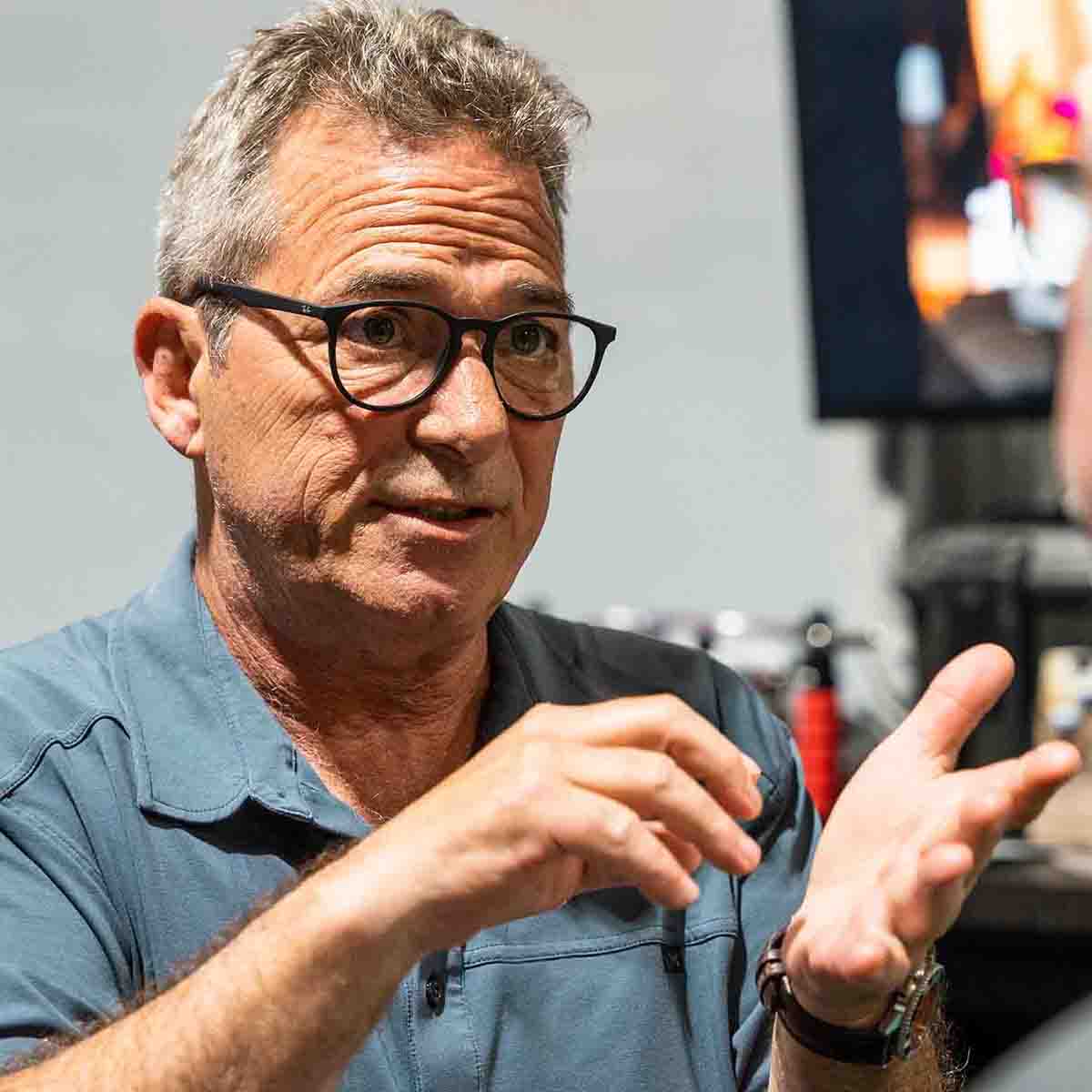
Featuring Steve Miller
The underwater world holds plenty of wonders during the day. But after the sun goes down, your favorite dive site can look like a completely different place. Ikelite Photo Guru Steve Miller has been diving and shooting pictures underwater for over 40 years.
Here he discusses what to expect when you hit the water after dark and what kind of settings, lighting, and techniques you need to make the most of this unique shooting scenario.
The first time you try night diving with camera, you're going to feel like you haven't been on this dive site before. If you dove this place during the day, it's really going to transform at night. It's going to transform at night partially because a lot of a reef is nocturnal. So your hard corals would become soft corals when all the polyps come out to feed.
Shooting Macro Photography
Generally with night diving, the most popular type of photography is macro because of all the animals that come out and also because of the control you've got when you're shooting all artificial light.
At night you're not going to have a background to worry about. So, once you've found your macro subject and you've set up your frame, my advice would be stop the lens down and shoot it on TTL. If you prefer manual, do it at a high enough power that you're dealing with a very stopped-down lens. If you shoot your macro anywhere from F/16 to F/22 you're going to get a lot more depth of field so you'll have sharper focus. And, with just a little bit of light from either the modeling light or an accessory light that you can mount onto your arm, the camera will have plenty of light to focus, the autofocus will work, and then when the strobes go off you'll have your frame.

The reef comes alive at night, you'll be amazed at the critters you see compared to a daytime dive. // 1/200 • f/14 • ISO 100 © Logan Wood
Focus Lights & Autofocus
With the RC232 and RC165 strobes, there are modeling lights that are built in. Now, these aren't going to be near as bright as when the flash goes off, but that's good. Because if you put the modeling light on, you'll probably find that it has enough light output for you to navigate around and certainly enough light output for your camera's autofocus system to work. Then when the strobes go off, it's going to be probably 100 times that much light so you can adjust your settings based on that.

You might be surprised at all of the creative possibilities when shooting jellyfish at night with a strobe. 1/16 • f/14 • ISO 400 © Logan Wood
What I Hope to See on Night Dives
When I go on a night dive, what I'm really hoping to run into would be a squid, an octopus, or maybe a cuttlefish. Preferably something that doesn't want to swim all over the reef. When you light these animals up with flash the colors and the translucence that you get are really stunning - they make for some excellent images.
Without a doubt, every time you get into the water on a night dive, you will be surprised. You'll be amazed because it is a very, very different experience from getting into the water during the day. The colors and ambiance will strike you. The whole weirdness of swimming in the ocean at night is something that you'll enjoy and something I try to make sure I do on every trip that I go on.

The chromatophores and iridophores on the skin of squid, octopus, and cuttlefish really shine under strobe lighting at night. // 1/200 • f/16 • ISO 100 © Logan Wood
Additional Viewing
3 Ways to Spice Up Your Night Dive
Shedding Light on Night Diving
Shooting Manta Rays at Night Without a Strobe
Fluorescence Photography to Enhance Your Night Dive [VIDEO]
Night Dive Underwater Camera Settings
An Insider's Guide to Blackwater Photography
 Ambassador Steve Miller has been a passionate teacher of underwater photography since 1980. In addition to creating aspirational photos as an ambassador, he leads the Ikelite Photo School, conducts equipment testing, contributes content and photography, represents us at dive shows and events, provides one-on-one photo advice to customers, and participates in product research and development. Steve also works as a Guest Experience Manager for the Wakatobi Dive Resort in Indonesia. In his "free" time he busies himself tweaking his very own Backyard Underwater Photo Studio which he's built for testing equipment and techniques. Read more...