
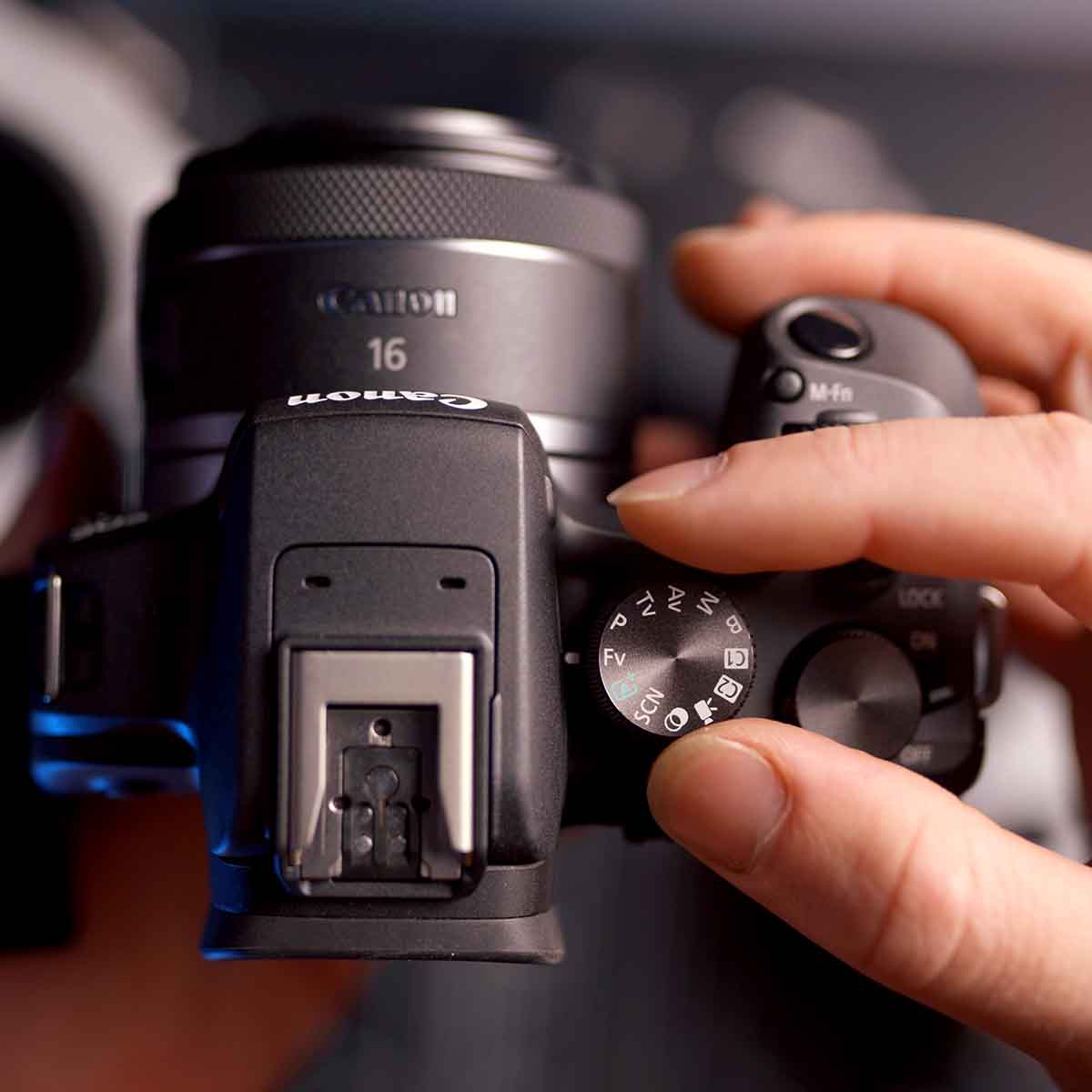
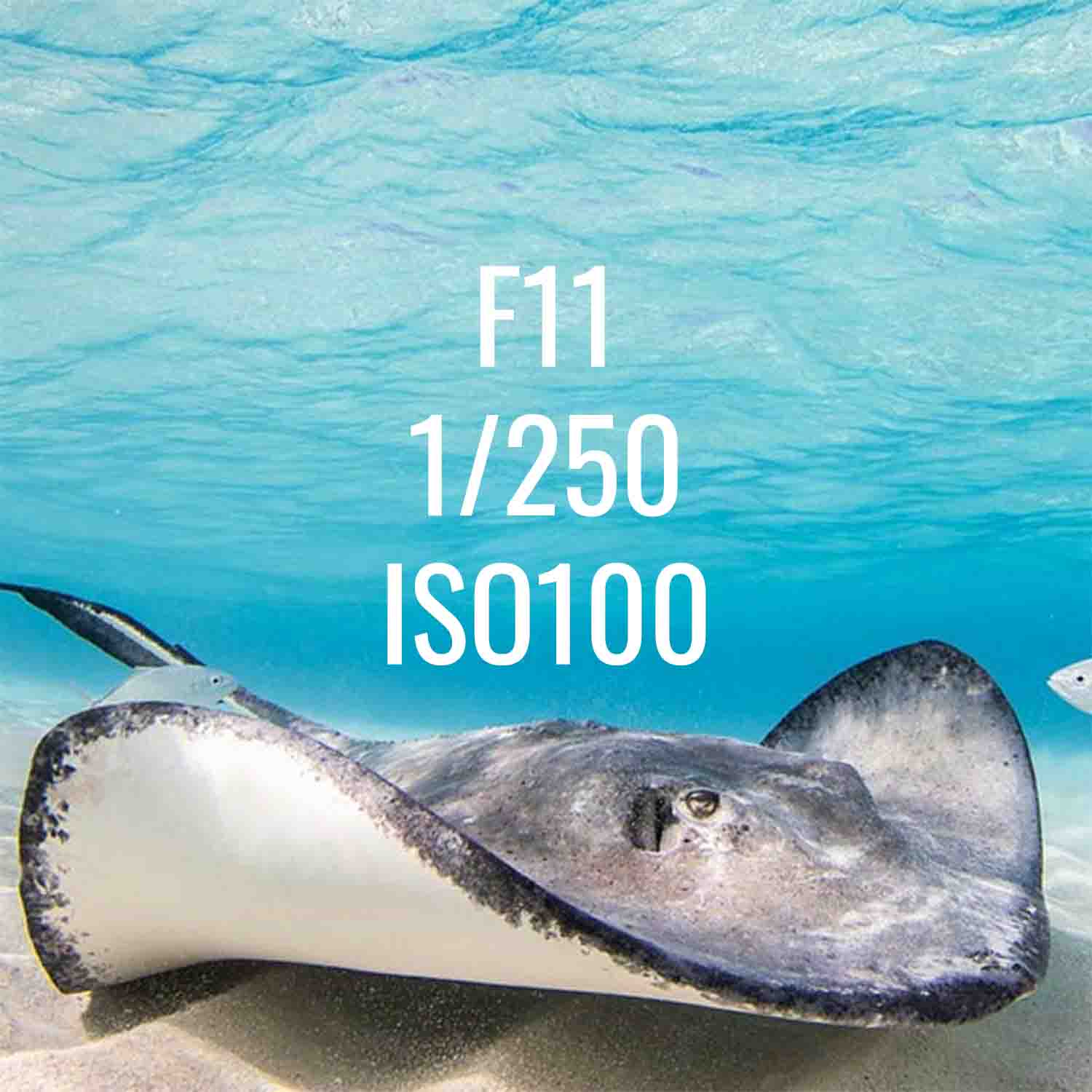


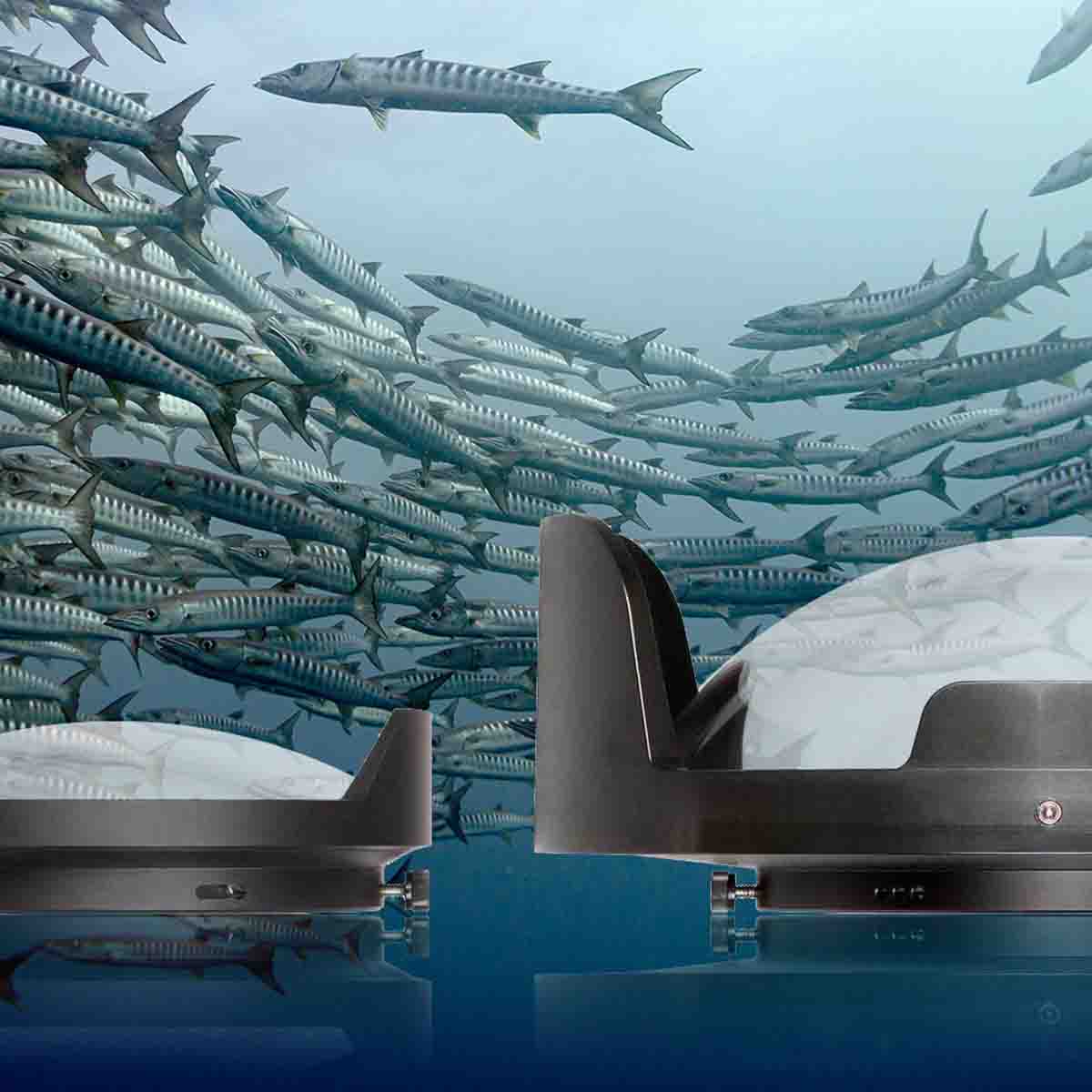


Perhaps it’s no surprise that capturing the world “as a fish sees” is one of the most pleasing forms of photography beneath the waves. Fisheye lenses are mainstays in the underwater photographer’s gear bag for their ultra-wide field of view, natural-looking reproduction of organic elements, and incredible sharpness behind a dome port.
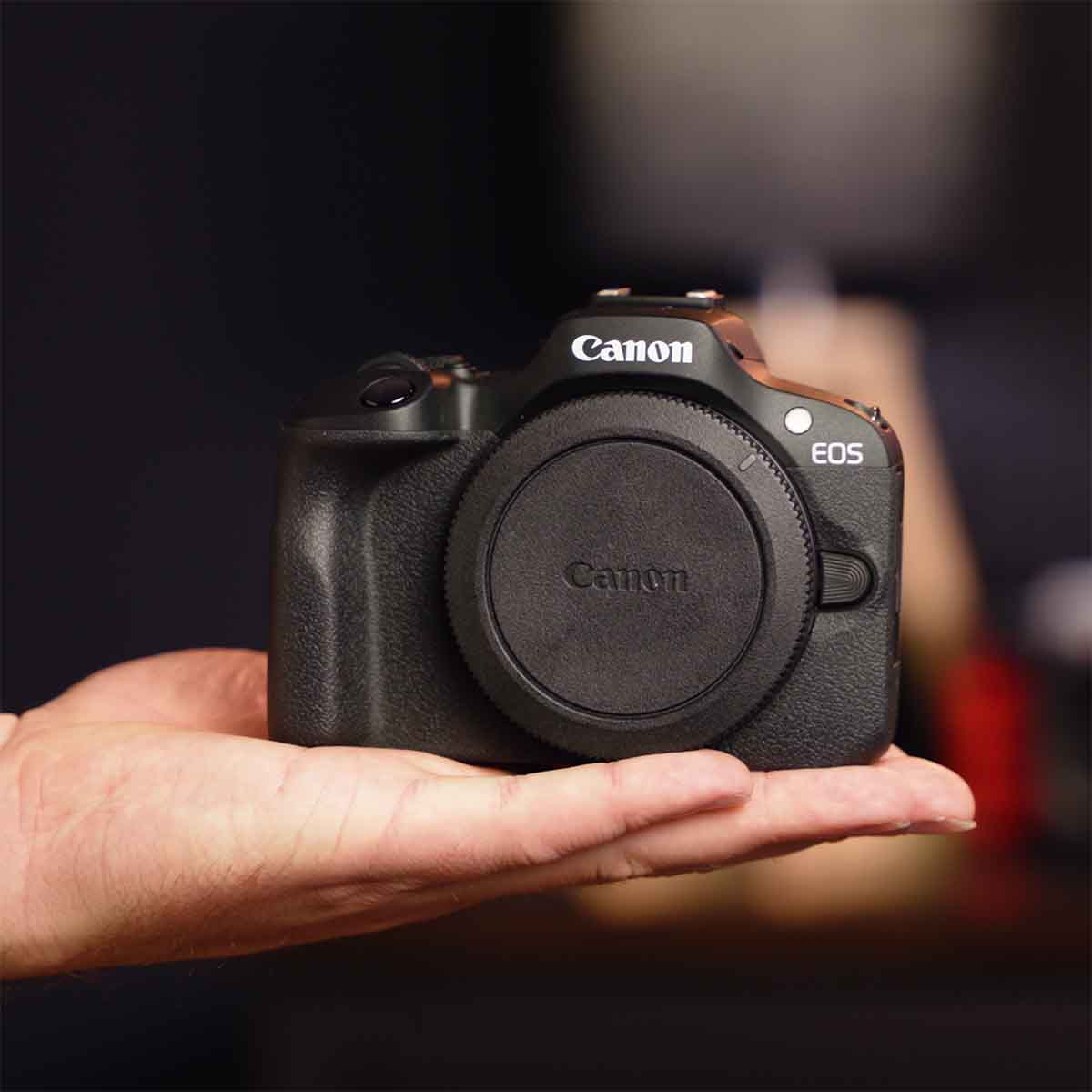
Most of us have fully transitioned to mirrorless, yet what we have been missing is a native mount full frame fisheye zoom lens. Until now. On February 4, 2026, Canon announced the exciting new RF 7-14mm F2.8-3.5L Fisheye STM Zoom Lens. This is the mirrorless lens we’ve been desperately waiting for, and we can’t wait to start shooting it.
Field of View
Canon is calling it "the world’s widest fisheye zoom lens to date" - with a circular 190º fisheye at the wide end (7mm) and diagonal 180º fisheye at the telephoto end (14mm). The ultra-wide field of view is perfect for shooting anything big underwater, from giant anemones to whale sharks.
You may be thinking, "What’s the big deal? We’ve seen 7-14mm Fisheye lenses before, right? From Panasonic and Olympus…?" Remember that those are designed for the very small micro four-thirds sensor - which is only 1/4 of the size of a full frame sensor. Shooting a Panasonic or Olympus 7-14mm is like shooting a 14-28mm lens on a full frame camera.
Of course we have been shooting our EF-mount (and Nikon F-mount) 8-15mm fisheye lenses adapted to our mirrorless cameras. However these have been discontinued for several years now - making them hard to come by for new shooters.
We love that the RF 7-14mm is faster than its predecessors with a maximum aperture of f/2.8 at 7mm and f/3.5 at 14mm.
Distortion & Vignetting
A fisheye lens bends light in ways that cause straight lines to curve, particularly around the edges of the frame. While this makes your office look like a fun house, it can make organic underwater scenes look significantly more authentic.
Images will have maximum distortion and a “port hole” vignetting effect at the wide end and a more natural appearance at the telephoto end. There’s corner clipping of various degrees in between the two ends of the zoom range. If you choose to shoot the lens on a crop sensor camera - for example, the Canon R7 or Canon R10 - the vignetting totally disappears between 8.7-14mm. A discrete limit switch on the side of the lens allow you to stick to that range.
Focus
Water drains the color and clarity from everything outside of arm’s reach. The ability to get super close while keeping everything in the frame is a key to the success of the fisheye lens (and the photographer behind it) underwater. The RF 7-14mm promises a 5.9” (0.15m) minimum focus distance across its zoom range which is perfect for close focus wide angle shooting. We also expect the focus to be extremely fast and smooth, particularly when combined with one of the latest camera bodies like the R6 III, R5 II, or R7.
Accessories
The Canon RF 7-14mm will ship with a removable lens hood. Like most fisheye lenses we’ve seen to date, the large, curved front element precludes the use of standard threaded filters. Uniquely, the Canon RF 7-14mm cleverly accepts filters with a unique slot-in design similar to what’s found on their EF-to-RF lens mount adapter. While the slot-in filters may not be usable - or useful - underwater, it is an advantage to be able to add a polarizing or variable ND filter when shooting on the surface in between dives.
Availability
You can be sure that we’ll be shooting the RF 7-14mm underwater - and providing port recommendations - as soon as it hits the US market in late February. The $1899 US Market retail price puts it squarely in the middle of their L line and significantly less expensive than the RF 14mm F1.4 fixed lens which was announced at the same time.
For Canon shooters, we are confident that the RF 7-14mm will be a solid investment that will carry forward to future systems.
Additional Viewing
Why You Need a Fisheye Lens Underwater
Rectilinear vs Fisheye Lenses for Underwater Wide Angle Photography [VIDEO]
Custom White Balance for Underwater with Canon Mirrorless Cameras [VIDEO]
Canon Mirrorless Lineup Explained for Underwater [VIDEO]
My Micronesian Ikelite System for Canon R5 // David Fleetham's Underwater Photography Gear [VIDEO]
GET the Canon 8-15mm Fisheye Before It's GONE! // Underwater Review & Results