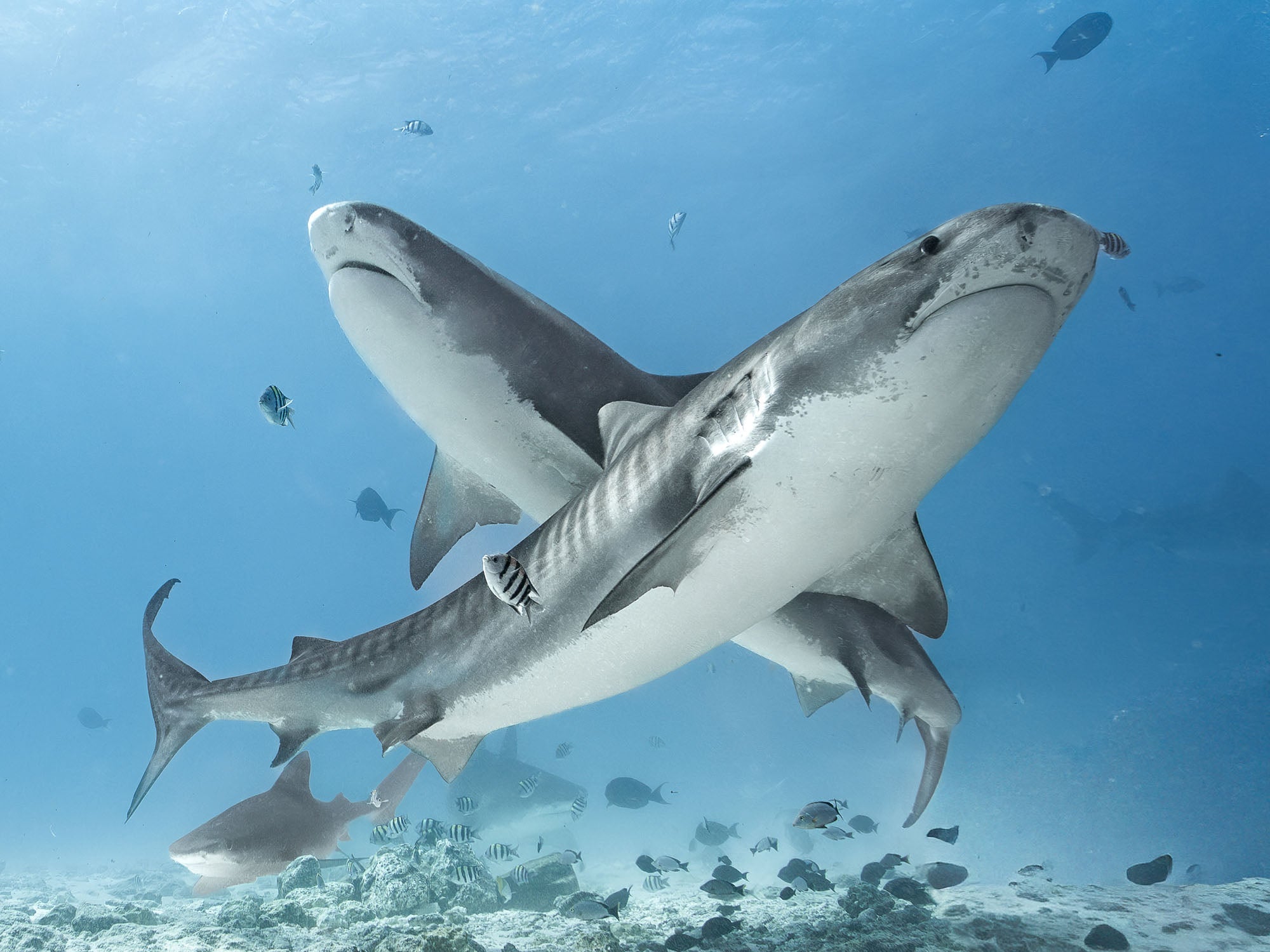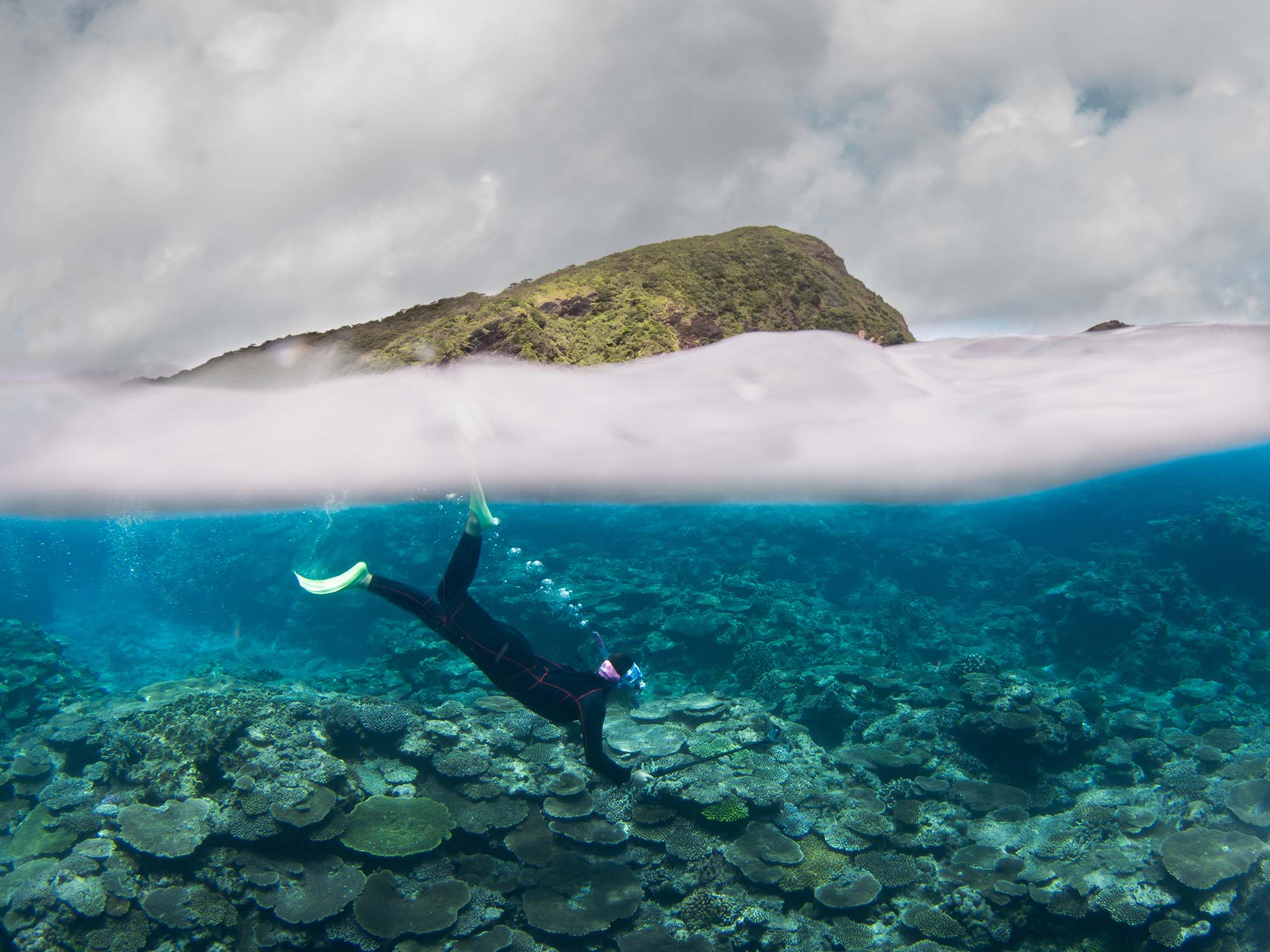


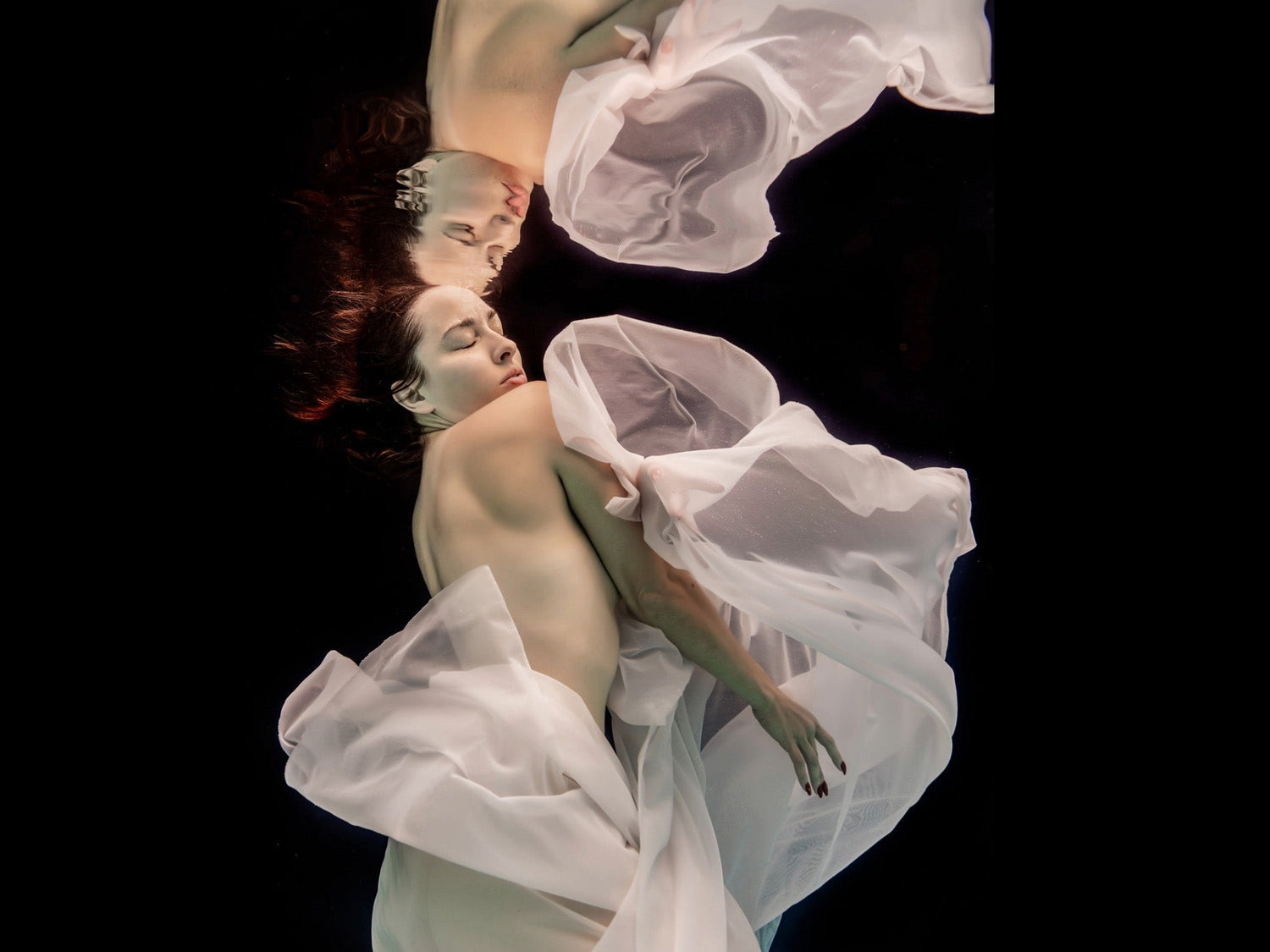
After 40 years of traditional, terrestrial photography, I’d done just about every kind of photography there is to do. Looking for a new challenge, I began to experiment with underwater photography in 2018. I was hooked immediately, and determined to learn all I could about this new format.

© Jim Hobart
It’s much more involved than I expected, and also much more rewarding when things go right. I’ve always enjoyed a challenge, and this provided a new way to learn how to do photography all over again.

© Jim Hobart
The number of factors to consider with traditional photography are multiplied when moved underwater. It’s even more of a collaborative effort, in which both the photographer and the subject have to be in complete sync.

© Jim Hobart
Communication underwater is next to impossible, planning is critical, and trust is paramount. It’s tiring work, but so rewarding when all the pieces come together.

© Jim Hobart

© Jim Hobart

© Jim Hobart

© Jim Hobart

Additional Viewing
5 Tips to Improve Your Underwater Portrait Pool Photography
5 Tips for a Successful Freediving Photoshoot
Working With a Freediving Model in Open Water
Underwater Pool Photoshoot: What We Did WRONG and What We Did RIGHT
Behind the Scenes of an Underwater Editorial Photo Shoot

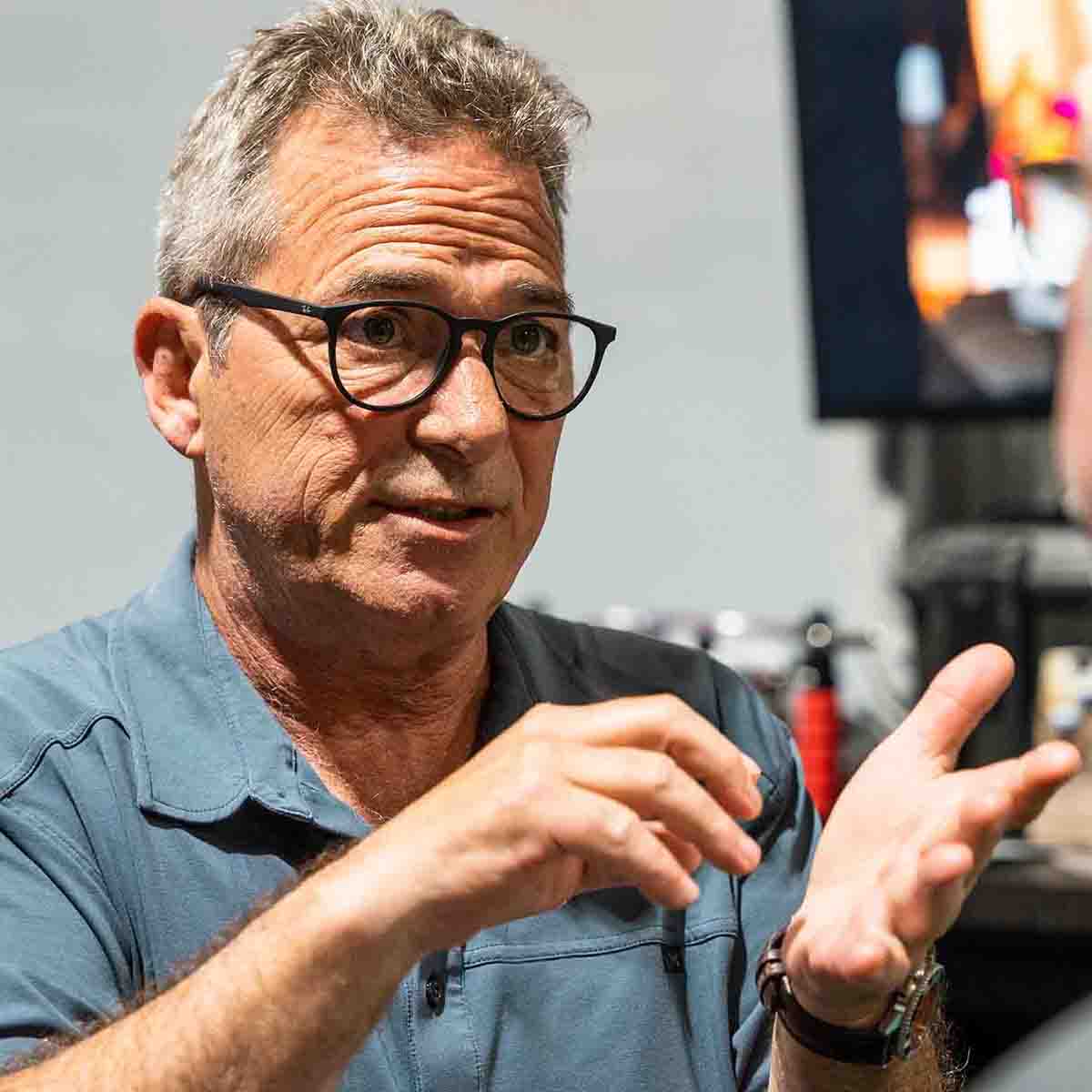
Like many photographers, Jim Hobart loves a challenge. That's why, after 40 years of land-based photography, Jim took his skills and his gear underwater. Since then, this personal challenge has become a rewarding underwater portraiture career. Jim shoots with the Canon R5 and RF 15-35mm lens and uses external lighting and a dark, silk background in the pool to create his unique look. You can learn more about Jim on his website, or follow him on Instagram @aquaticpictures.