


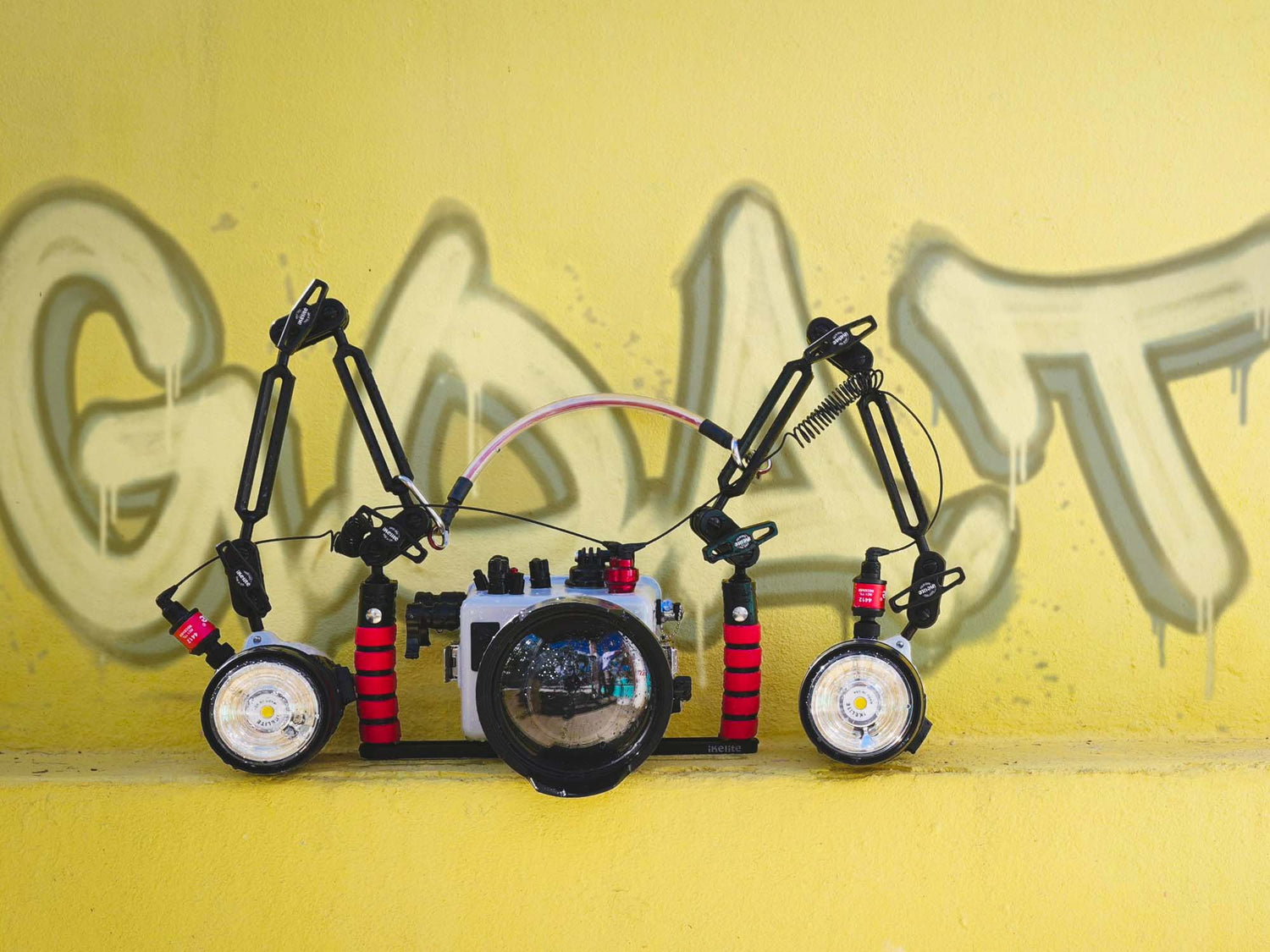
Featuring Logan Wood
You drooled over the announcement, poured over the specs, and drained your savings for the latest and greatest tech. But could it actually be getting in your way? The Ikelite camera vaults contain just about every camera known to man. After testing cameras around the world in various environments, Logan Wood discusses which model he reaches for and why.
If you'd rather read the article version of this video, scroll down.
When I go out for a shoot, whether it's down the street or across the world, I have my choice of cameras. Like most people, my eyes go to the top-of-the-line flagship cameras, like the Sony A1 II, which I've shot a ton with over the past year. So I want to talk about some of the things that I consider when choosing a camera, why specs alone won't always yield the best results, and which camera I tend to pick.

Clownfish in anemone shot on the OM System TG-7 in Yap, Micronesia // Sometimes big things come in small packages, like the TG-7 with Ecko Fiber Strobes. © Logan Wood
Traveling With an Underwater Camera
The biggest thing that I consider is size. Now size is my biggest consideration because it trickles down to affect almost everything else. From traveling to diving and everything in between, size matters.
Probably the most common place that divers find themselves on is a liveaboard. And most liveaboards are moderately sized and tend to have some sort of accommodation for photographers. This can range from a single shared camera table to personal dedicated camera stations. If I have my own space, then a larger camera in housing is not that big of a deal. I could spread out a bit and worry less about getting in the way of others. And the same goes for resorts, where having a personal camera station is pretty common. And there's usually some sort of convenient transportation that makes having extra luggage easier. These are the sort of trips and environments where having a larger camera and housing is great. I can shoot with the full force of however many megapixels I want, and the largest dome port I can get.

Individual camera stations, like this one on All Star Liveaboards' Velocean, can accommodate a greater amount of gear and make packing the extras worth it, but this isn't always the case.
However, there are plenty of liveaboard resorts and situations that just aren't as accommodating. Maybe it's a smaller boat, the resort doesn't have a dedicated camera room, or the trip is more exploratory and isn't as accommodating to photographers specifically. In those cases, I tend to lean more towards these smaller cameras and housings. I can fit the entire system in my backpack, it never leaves my side, and when I show up, I know that I have exactly what I need to start shooting. Ultimately, it just makes getting from point A to point B so much easier.

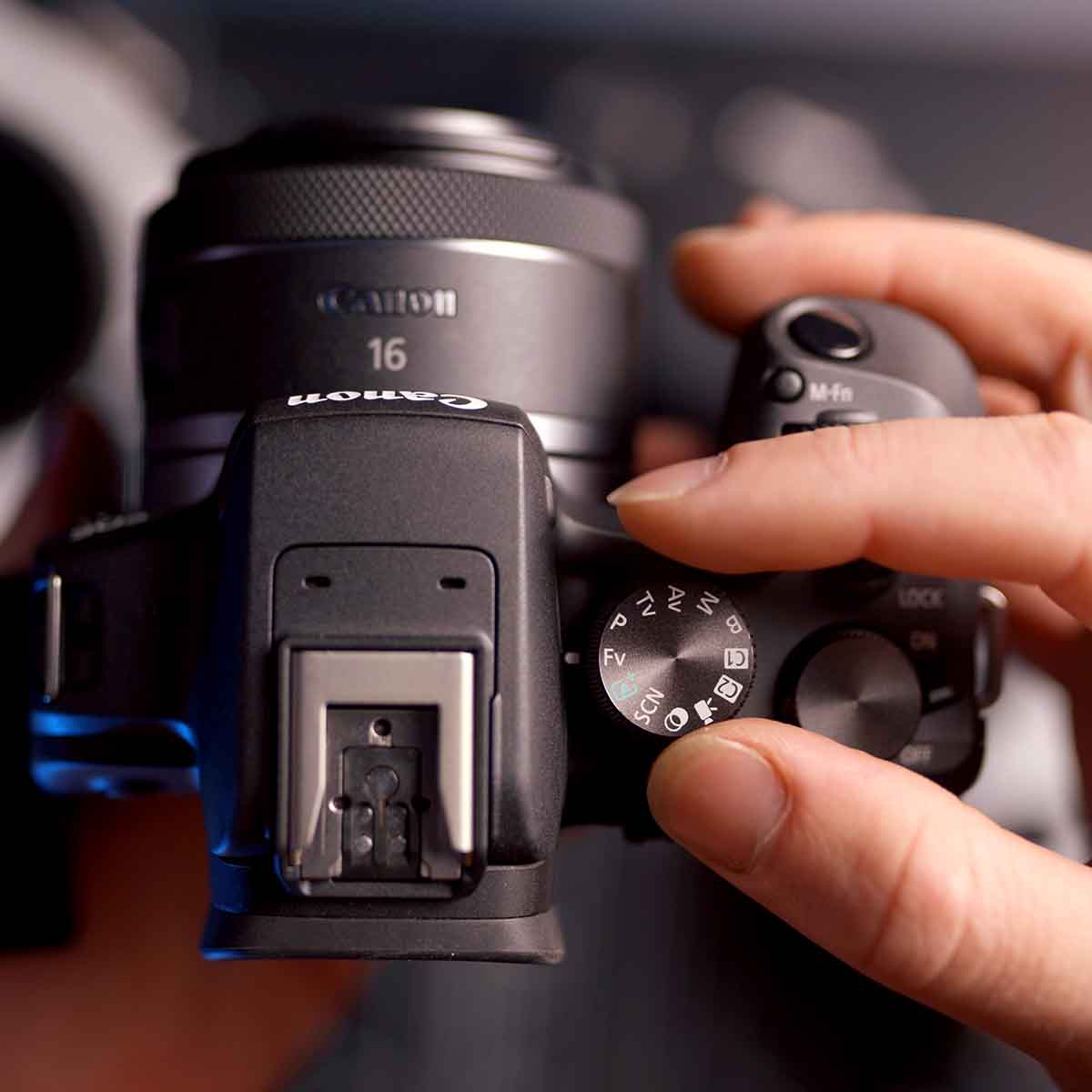
Olive Ridley sea turtle shot on the Canon R7 in an Ikelite compact DLM housing in Mexico. // "Most of my time [during the sardine run] is spent trying to keep up with dynamic bait balls and reacting to split second action. Having a compact system like the Canon R7 in a DLM housing allows me to move faster in every scenario and keep jumping in the water all day." © Logan Wood
Getting the Shot with an Underwater Housing
Now point A to point B isn't just about traveling, it's also about going from not having a shot to getting the shot. So let's talk a little bit about handling in the water, because while our housings do get lighter underwater, there's still a difference in maneuverability and lots to consider based on what I'm trying to achieve.
If I’m scuba diving, the weight and size of a larger camera and housing isn't as big of a deal. In fact, if I'm shooting video, the extra weight of my system helps create smooth and steady footage. So in that case, I opt for larger cameras.
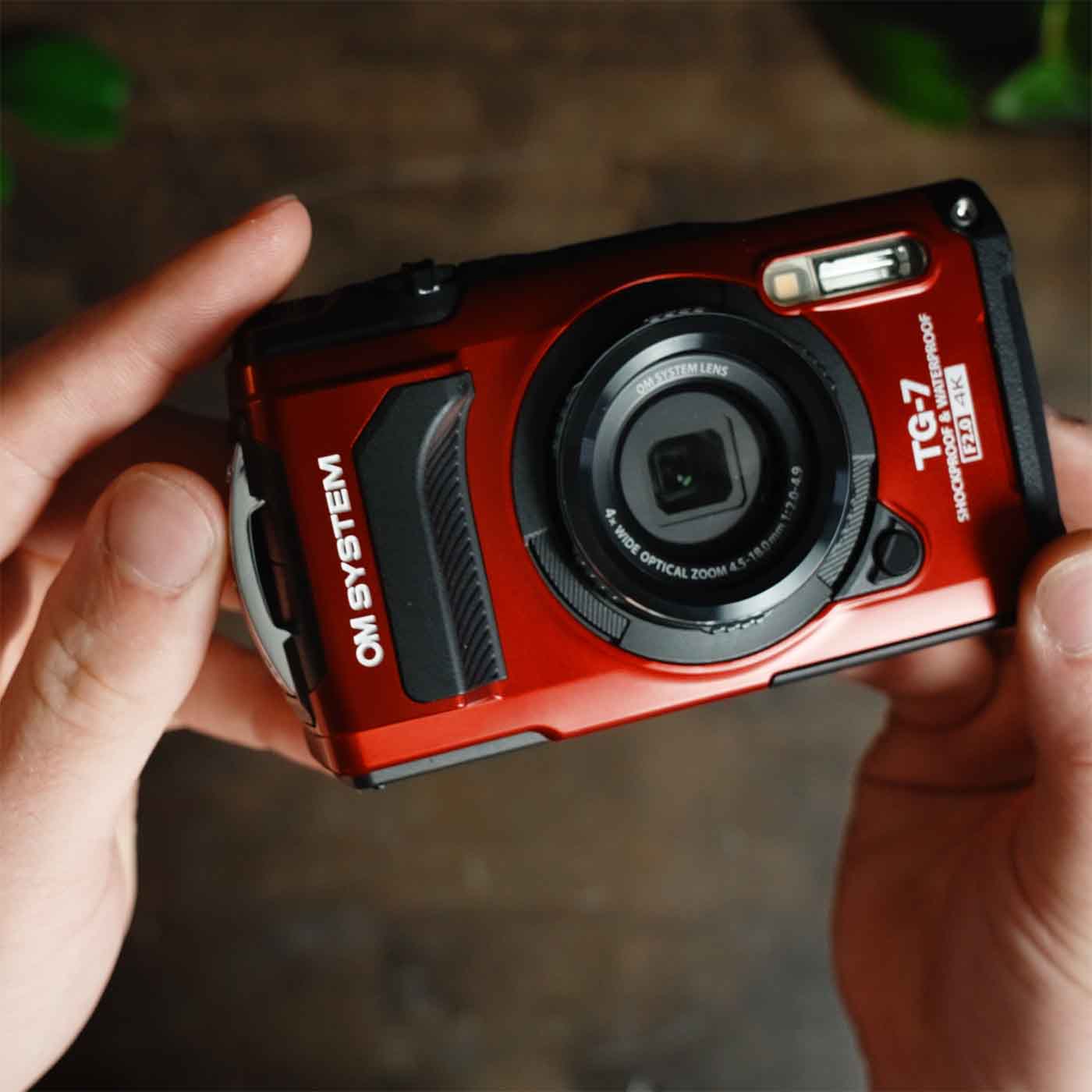
On the flip side, if I’m shooting stills, whether that be macro of fast moving, big animals, having a smaller camera can also be beneficial. Not only do these smaller cameras tend to have APS-C size sensors which allow me to get tighter shots, it can allow me to get into these small areas where these critters are. For the case of the OM System TG-7 and TG-6 it can get some incredible macro shots. Way easier than with a system that's triple the size and four times the cost.

The OM System TG-7 is the perfect combination of portable and powerful, and it packs nicely into an ultra light bag with room for strobe and accessories.
If you’re primarily a scuba diver I would recommend giving some thought to the type of photos and videos that you want to shoot and mean the most to you. And then go from there when deciding on what camera you want. You'll have far more fun and get better results than if you just kit yourself out with the best gear that's on the market.
HELP IS NEAR!
I want to take a quick break to say that if any of this is feeling like a lot to think about or maybe you don’t know what you want to photograph underwater yet than please reach out to us - this will connect to you someone, literally in the room next door to me right now, that can help you figure it all out. Whether you’re just getting started or looking for an upgrade, our goal is to make the process as smooth as possible. So please don’t hesitate to reach out!
Freediving with an Underwater Housing
Not all dive trips are scuba trips. There are plenty of great experiences to have by just jumping in and freediving or snorkeling. After lugging all sorts of equipment on these types of trips I can confidently say that the cameras that fit in the smaller DLM housings are the way to go. For example, sardine runs South Africa or Magdalena Bay in Mexico are often centered around these split second moments where I'm jumping in and just observing what's going on in front of me. The action can last minutes or just a few seconds. If the latter is true, then I have to book it back to the boat, climb up, and get ready for the next jump. Now I consider myself a strong swimmer, and I can make these larger systems work, but why waste my energy when there are capable high resolution cameras available in smaller setups?

If you're prepping for a fast-paced, freediving trip and want to streamline your 200DL system, consider a Compact 8 Inch Dome Port, like Brandi Mueller is using here during a sardine run.
Sometimes, I don’t want to pay attention to all the small details, and I just want to take some quick shots along the way. Like getting up before sunrise for some early morning shots or just handing the camera off to a friend. The smaller cameras and housings are just perfect for this because it allows me to move easier in the water and just store the camera out of the way when I'm just on the boat.
The Camera I Reach For
With all that being said, when it comes down to deciding what camera to take, I usually opt for the Sony a7C II. For starters, I own Sony lenses and I'm most familiar with their menus and how their cameras operate. Secondly, in my opinion, I think the a7C II is the best balance between size and features. Most importantly, it fits in the smaller DLM housing. And like I mentioned before, I can just throw it in my bag and it never leaves my side when traveling.

The Sony a7C II is a perfect balance between size and features, plus it accommodates all of Sony's best full frame lens options for underwater.
It has a full frame, high resolution sensor, it has all the video features I want with 4K and higher frame rates, and all the AI tech that’s in the newer generation Sony cameras. It also has the ability to internally zoom PZ lenses using the custom buttons on the back of the camera so I don't need a zoom gear, and this makes my camera bag and setup that much more streamlined.
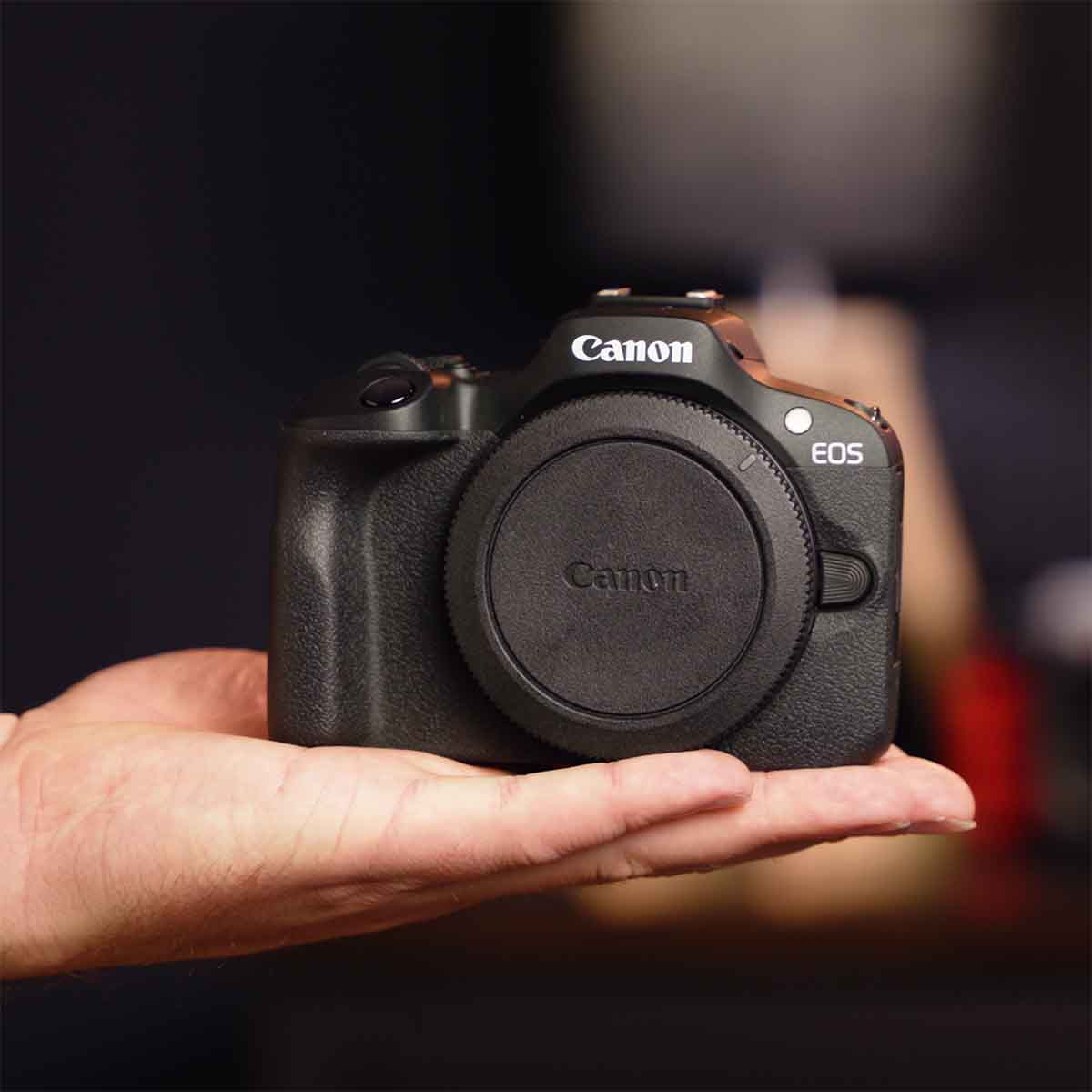
If you aren't a Sony shooter but you're looking for the same kind of setup, check out the Canon R8 for a full frame camera and the Canon R7 for an APS-C camera.
Unfortunately for the Nikon shooters, there aren't any cameras that support the smaller DLM sized housings. But, check out the Nikon Z5 series cameras which offers features on par with the Sony and Canon cameras that I mentioned before.

If taking your top-of-line system is a priority but so is avoiding a checked bag fee, learn how to pack everything you need into your carry-on bag. Image © Kimber Kiefer
Hopefully this helps you narrow down what kind of camera is right for you in your shooting style. If you have any questions, shoot us an email to ikelite@ikelite.com.
Additional Viewing
Canon Mirrorless Lineup Explained for Underwater [VIDEO]
Sony Mirrorless Lineup Explained for Underwater [VIDEO]
More Power, Smaller Package: Moving to Mirrorless with the Canon R7
Sony a7C II & a7CR // DL vs DLM Ikelite Underwater Housing [VIDEO]
What's in My Camera Case | Diving in Raja Ampat, Indonesia [VIDEO]
How to Pack a Carry-On Bag for Underwater Photographer: Pro Tips from Ken Kiefer [VIDEO]
Wide Angle Fisheye to Macro on the Same Dive with the OM TG-7, Olympus TG-6
Logan Wood is a published photographer, cinematographer, and Producer at Ikelite. Stemming from a great appreciation for the outdoors and living an active lifestyle, his work focuses on capturing and sharing the natural world through the latest technologies. When not in the studio, Logan can be found cruising on his bike, going to concerts, and researching where to go next. You can see more of his work at loganwood.net and on Instagram @jlowood
![What's in My Underwater Photography Gear Bag // Bill Hawthorne 2026 [VIDEO]](http://www.ikelite.com/cdn/shop/articles/bill-hawthorne-gear-back-blog-cover_185ac6e5-5f95-4390-acbe-d8bb7516f4cb.jpg?v=1769787993&width=2000)
![Finally a New Fisheye for Underwater! // Introducing the Canon RF 7-14mm Lens [VIDEO] Ikelite Underwater Systems](http://www.ikelite.com/cdn/shop/articles/Canon_RF_7-14mm_Fisheye_Video_Blog_Cover_a54cbf70-f73c-403d-ad62-e61f8636235d.jpg?v=1771598349&width=2000)
