



Featuring Logan Wood
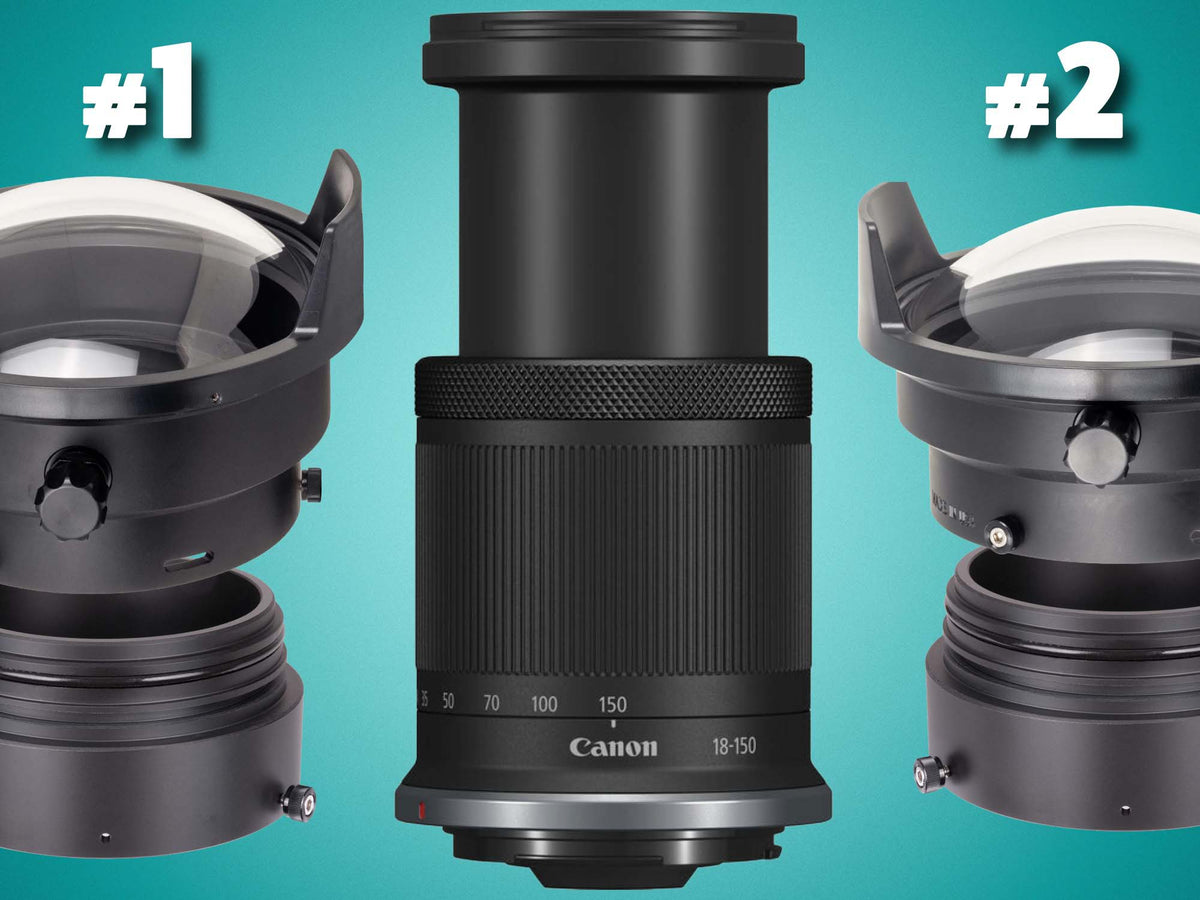
Two dome ports, both lightweight and designed for wide angle underwater photography, but with very different uses. So which one should you be diving with?
If you're shooting an Ikelite 200DL or 50DL Underwater Housing you'll want to know the differences between the full size and compact 8" dome ports and determine which one is the right choice for your next underwater adventure.
Logan Wood breaks it all down in terms of traveling, handling, and image quality. If you'd prefer to read, scroll down to view the article version of this video.
NOTE: Not all lenses can be used behind the Compact 8" Dome Port. Always refer to the correct Lens Port Chart for your housing to select the best port option.
What Is a Dome Port?
A dome port lets your lens see its full field of view underwater, with no vignetting. They are essentially a non-negotiable for wide angle and zoom lenses. Our compact 8 inch dome is, well, compact, and is the smaller of the two dome options. It’s actually made from the larger diameter full size 8 inch dome, so it blends the advantages of small diameter and large diameter domes. So what are those advantages?

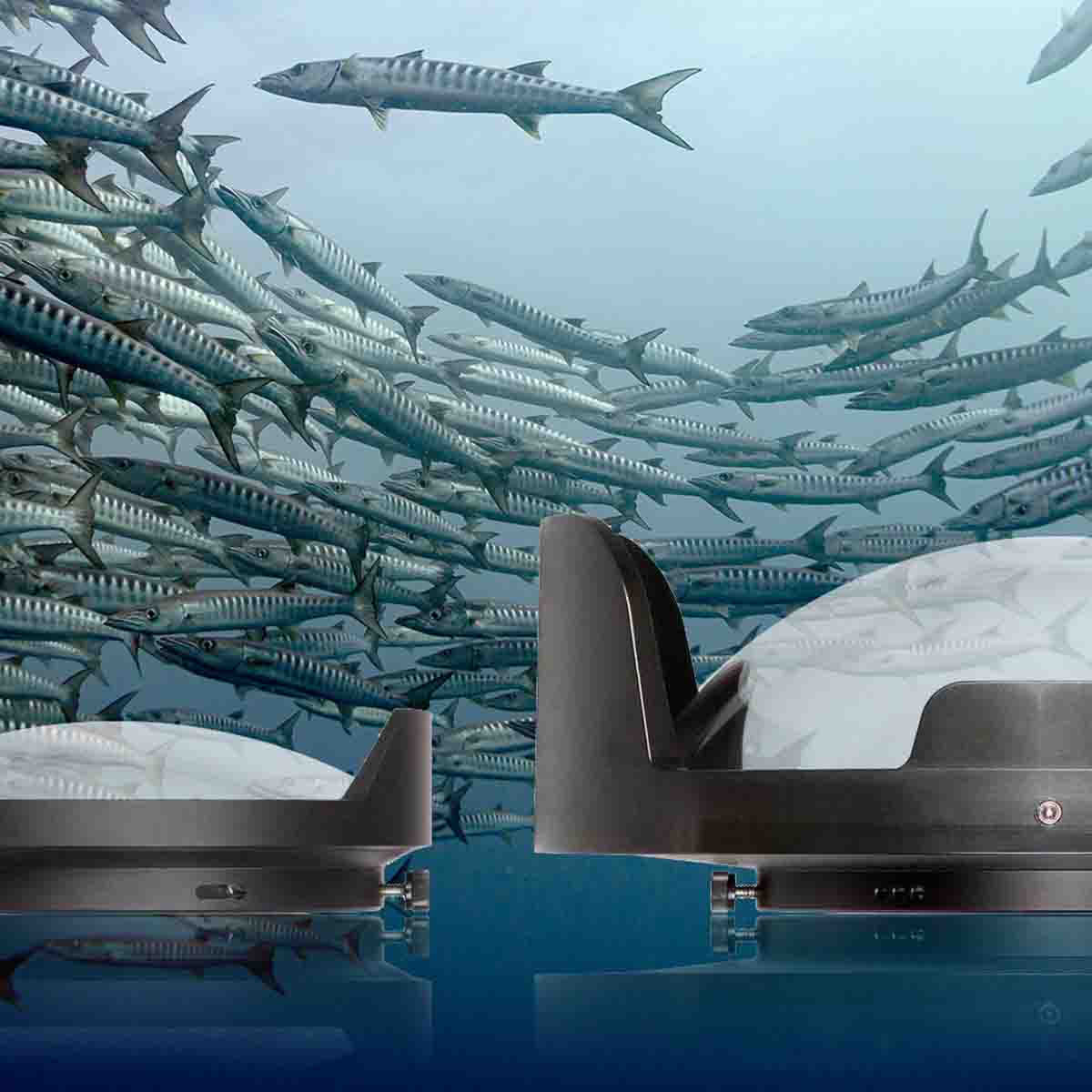
Side-by-side comparison: full size 8 inch dome (left), compact 8 inch dome (right).
Weight & Traveling
Let’s start with packing, since many of us are taking off around the world for our dives. The standard, full size dome is almost a hemisphere measuring 9 inches (22.8 centimeters) in overall diameter and 4 inches (10 centimeters) in depth. The compact dome is the exact same optical material, but it uses only a sliver of it to create a low profile or shallow dome. It measures just over 6 inches (15.2 centimeters) across and under 2 inches (5 centimeters) deep, weighing only half a pound.
I should mention that we’re using a high-grade acrylic, which is nearly 5 pounds lighter than the glass equivalent but provides similar optical quality. And unlike with glass, light scratches can be polished out using NOVUS plastic polish.
SEE MORE: How to Polish an Acrylic Dome Port [VIDEO]

Using the same optical material but with a lower profile makes the compact dome the ideal travel-friendy option for underwater photographers who are looking to pack conservatively.
The compact will stand up in your hard case, or you can travel with it mounted right on the housing. Ultimately, I pack both domes with me on trips, and choose which one I want to dive with the day of. I plan around packing the large 8 inch dome, then the compact dome is so small and light, it’s a no-brainer to just toss in my kit.

Minor scratches? No problem. Not only are our high-grade acrylic dome ports lighter and easier to travel and dive with than glass domes, you can also polish out any light scratches using Novus polish.
Handling
The added air volume of the big dome makes it more buoyant, so the front of your housing may want to float up depending on what lens you’re shooting. That can be counter-balanced by our Trim Weight System. The rail attaches under your tray with no tools, it takes a standard scuba weight you can borrow at the dive shop, then slide it back and forth until the housing balances.
SEE MORE: Using a Trim Weight System for Balance and Stability Underwater

Achieve a perfectly balanced system for better ergonomics and smoother underwater video with our Trim Weight System.
On the other hand, the compact dome has a much lower profile, so you get less arm fatigue and generally don’t need a trim weight at all. It’s also a lot more streamlined and creates less drag when you move through the water. This can make a big difference if you’re kicking into current, trying to move quickly, or freediving.
Image Quality
Now image quality. Yes, the larger dome gives you sharper corners, especially with rectilinear wide angle lenses. But the compact dome lets you get about an inch and a half closer, and with a fisheye lens that can almost double the size of your subject in the frame for those striking close focus wide angle shots.
Also keep in mind, your lens, your aperture, and your lighting affect edge sharpness more than the dome does. And if your subject is out in open blue water, there’s nothing in the corners to be soft anyway.

Not only will the compact dome port allow you to shoot a more streamlined system, it will also allow you to get closer to your subject.
When to Use Each Dome
So here’s the short version: Go with the large, full size dome for reefscapes, rectilinear lenses, and over-unders (split shots), because that extra surface area of the large dome makes the waterline much easier to control.
Go with the compact dome for travel, close-focus wide angle shots, big animals in the blue, and anytime you’re fighting current. Or enjoy the best of everything and bring both along on your next trip.

If you're looking to shoot a classic split shot, you can't leave home without the full size dome port.
We're Here to Help
Find the correct port combination for your system by using our comprehensive Port Chart. If you're looking for a lens recommendation or other advice, contact us.
Additional Viewing
When to Use a Compact 8" Dome Port Underwater
Rectilinear vs Fisheye Lenses for Underwater Wide Angle Photography [VIDEO]
Tips for Shooting Split Shots with Your Underwater Housing [VIDEO]
How to Pack a Carry-On Bag for Underwater Photographer: Pro Tips from Ken Kiefer [VIDEO]
How to Polish an Acrylic Dome Port [VIDEO]
Underwater Edge Sharpness Comparison Canon EF 8-15mm Fisheye vs Canon 10-20mm

Logan Wood is a published photographer, cinematographer, and Producer at Ikelite. Stemming from a great appreciation for the outdoors and living an active lifestyle, his work focuses on capturing and sharing the natural world through the latest technologies. When not in the studio, Logan can be found cruising on his bike, going to concerts, and researching where to go next. You can see more of his work at loganwood.net and on Instagram @jlowood