

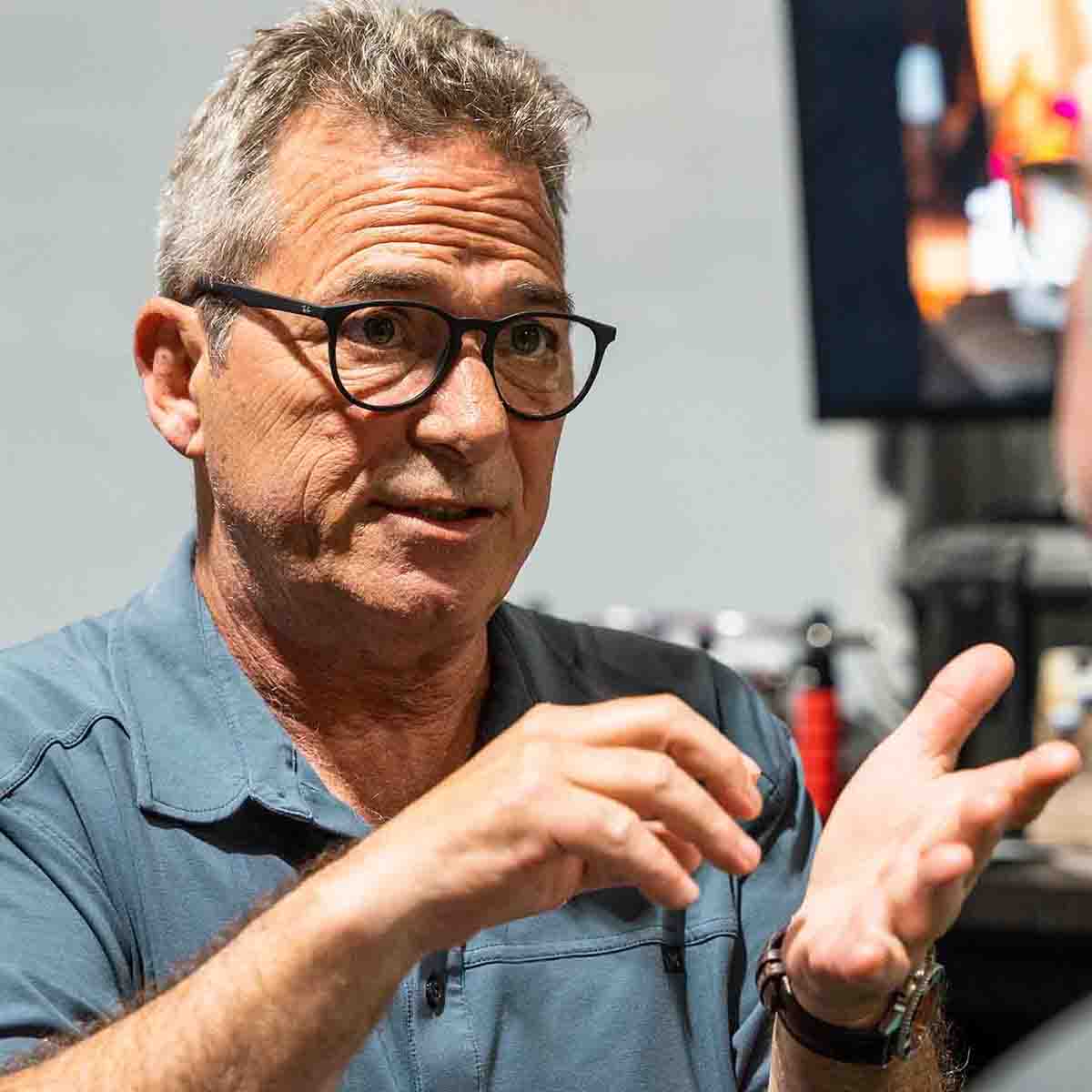
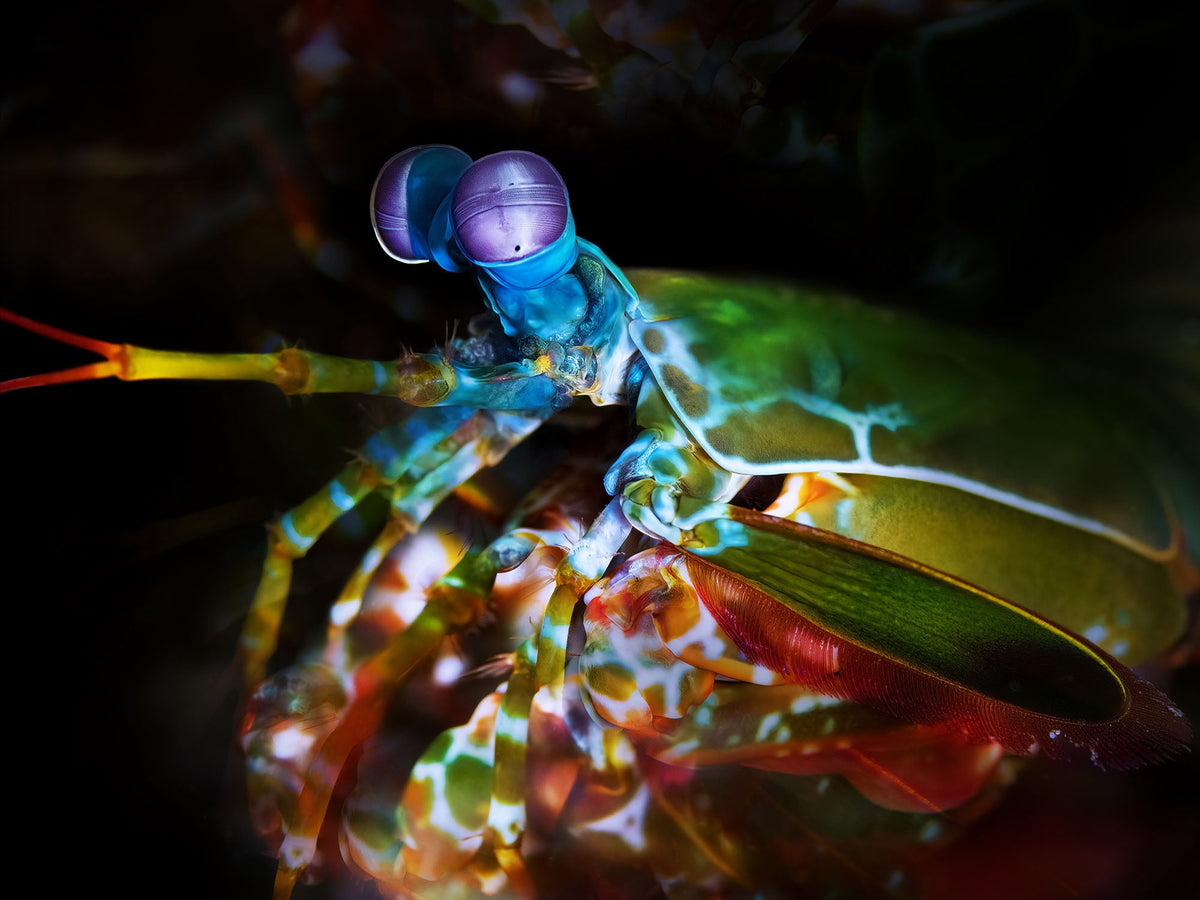
For underwater videographer James Graham shooting macro isn't just an art form, it's a paradigm shift on how he sees the world: "Using a macro lens... led me on a journey of exploration and discovery that I would never have imagined only a few years ago." But that journey starts with a few simple settings and techniques. Whether you're looking to shift your perspective or just want to capture the most minute details of your favorite nudibranch, James shares a few tips below on how to get the best underwater macro footage.
"I am here to tell you that there is an entire universe of undocumented macro subjects waiting at your local dive site, and there is no better time than right now get out there and explore."
Research the Environment
Do some research (prior to the dive) to learn about the environments where you might find a desired subject. The joy of shooting Macro is more about exploring the environment than chasing specific animals, but you cannot find animals if you don’t know where they live.
If you want to find nudibranchs for example, think about the tunicates and hydroids which they might eat, or pay attention to abnormal patterns that may evidence of the nudibranch eggs, and you will dramatically improve your odds of finding them. And if you don’t find the subject you were first chasing, then you will surely be introduced to its neighbours by taking the time to study the whole environment.
SEE MORE: Macro Minded: Creating Meaningful Underwater Macro Photo and Video
© James Graham
Take It Slow
If you thoroughly explore a small patch of the reef for an entire dive, you will more likely find something interesting than swimming around like an angry wasp. Slowing down also allows the animals near you to relax, or perhaps even feel emboldened to approach you. The reef that may have originally appeared barren, will gradually spring into life. Slowing down also conserves gas, and that is a precious commodity when you do eventually find your dream subject.
Narrow the distance between your eyes and the reef, and you will start to see a lot more action than when you are swimming around looking for megafauna. By reducing the distance between your eyes and the reef, you will really start to dial your brain into the macro environment. “Aim small, miss small”.
SEE MORE: How to Find Underwater Subjects
© James Graham
Film From a Low Angle
Film from a low angle, either at eye level with the animal or below it if the environment permits. This has several benefits, but principally you will get more depth of field in your background (because the sand, coral, etc. when you are shooting downwards is not immediately behind the subject), which will in turn get a better perspective of the environment your subject lives. Shooting at more forgiving apertures (e.g. f8 and above) will still give you some nice bokeh as there is enough distance behind the animal to create some separation.
© James Graham
Know Your ISO
I often leave my ISO fixed at 640 for the Sony FX3 as it is the lower bound of its native ISO range, but will sometimes need to increase this if I have run out of bandwidth in my preferred aperture/shutter speed. My recommendation to anyone starting out would be to do some real world testing around the home (as it is dark indoors) to see when grain starts to get introduced into your specific camera. For the Sony FX3, this starts to become noticeable to me around the ISO 3000 range, but your specific camera and personal experience may differ widely.
SEE MORE: Underwater Exposure Explained | ISO Settings [VIDEO]
Shoot for Slow-Mo
I mostly shoot in 120fps underwater, which allows the option for slow motion in the editing process. The FX3 has a "shutter angle" mode, which I set to 180 degrees (i.e. it automatically doubles the shutter speed vs the intended FPS) so that you reduce the chance of incurring flickering.
Flickering occurs when there's a mismatch, or not enough frames captured, to satisfy the intended playback speed. For example when shooting a video intended for 120fps playback, the shutter angle will automatically double the camera’s shutter speed to 240fps, and your video will appear smoother. The main drawback of this technique is that the higher you set your FPS, the greater the demand for light, so you will inherently need to consider whether a higher ISO or a lower aperture will be needed to accommodate.

James underwater shooting the Sony FX3 and 90mm f/2.8 Macro Lens inside the Ikelite 200DL Underwater Housing.
Steady Yourself for Smooth Video
For smooth macro shots, my advice is to think of your body as a tripod. I generally conduct a wide visual sweep of an area I would like to settle down into, before positioning my elbows and fin-tips down onto a sand or rock formation, holding the camera steady with both hands.
A point of clarity here is that under no circumstance should you consider this technique on live corals or reef environments, and only consider this to be an option when there is available space near to your subject that you have surveyed beforehand. This serves several functions; one is that you are not disturbing the reef environment that you are trying to observe, and two is that the sand/rock is generally at a lower elevation point than the reef, so you can more easily get down to eye-level, or even below eye-level, with the animal you are shooting. Surveying the area before you film any environment is not only safer for the animals, but also means that you are less likely to get zapped by a sleeping Coffin Ray!

Ken’s Cuttlefish (Sepia grahami) is a species that has only recently been described, and is endemic to the shallow coastal reefs of New South Wales, Australia. Owing to its sympatric distribution and similar appearance to the Reaper Cuttlefish, it remained unrecognised for many years. This species highlights how even the smallest of wilderness spaces, both land and sea, can harbour remarkable biodiversity that is yet to be discovered and most likely needs our protection before it is too late. © James Graham
James' Gear
- Sony FX3 Cine Camera
- Sony 90mm f/2.8 Macro Lens
- 200DL Underwater Housing for Sony FX3 # 71480
- Video Lights
Ready to Shoot Small?
Shooting macro doesn't need to be complicated. Our team of experts are here to help you get the best shot with the best gear. Reach out today to get your system ready for the smallest details.
Additional Viewing
Sony FX3 Underwater Cinematic // Leafy Seadragon in South Australia [VIDEO]
Macro Minded: Creating Meaningful Underwater Macro Photo and Video
Sony FX3 FX30 Cine Cameras // 200DL Underwater Housing Assembly [VIDEO]
Quick & Dirty Tips for Shooting Underwater Video
Color Grading // Adding Warmth to an Underwater Video [VIDEO]
 James Graham is a British photographer, videographer, and wildlife enthusiast based in Australia, currently writing and producing a series of Ocean themed documentaries launching this year with the collective SeventyOnePercent. For the last decade James has documented marine ecosystems and now focuses primarily on macro videography with the goal of highlighting the ocean's smallest and most critical inhabitants to help protect them. Check out his latest underwater macro videos on Instagram @withgraham. See more...

