



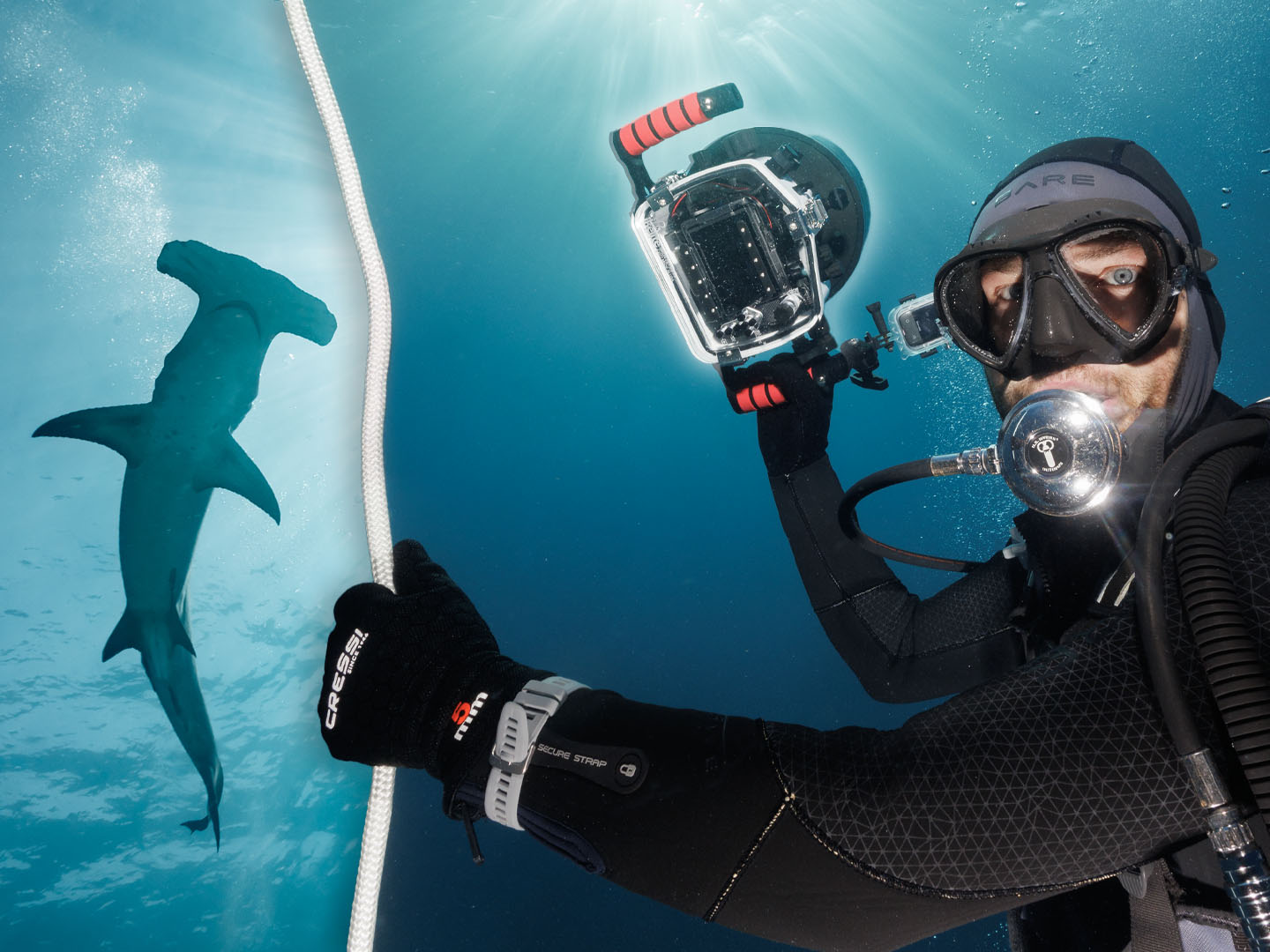
Featuring Logan Wood
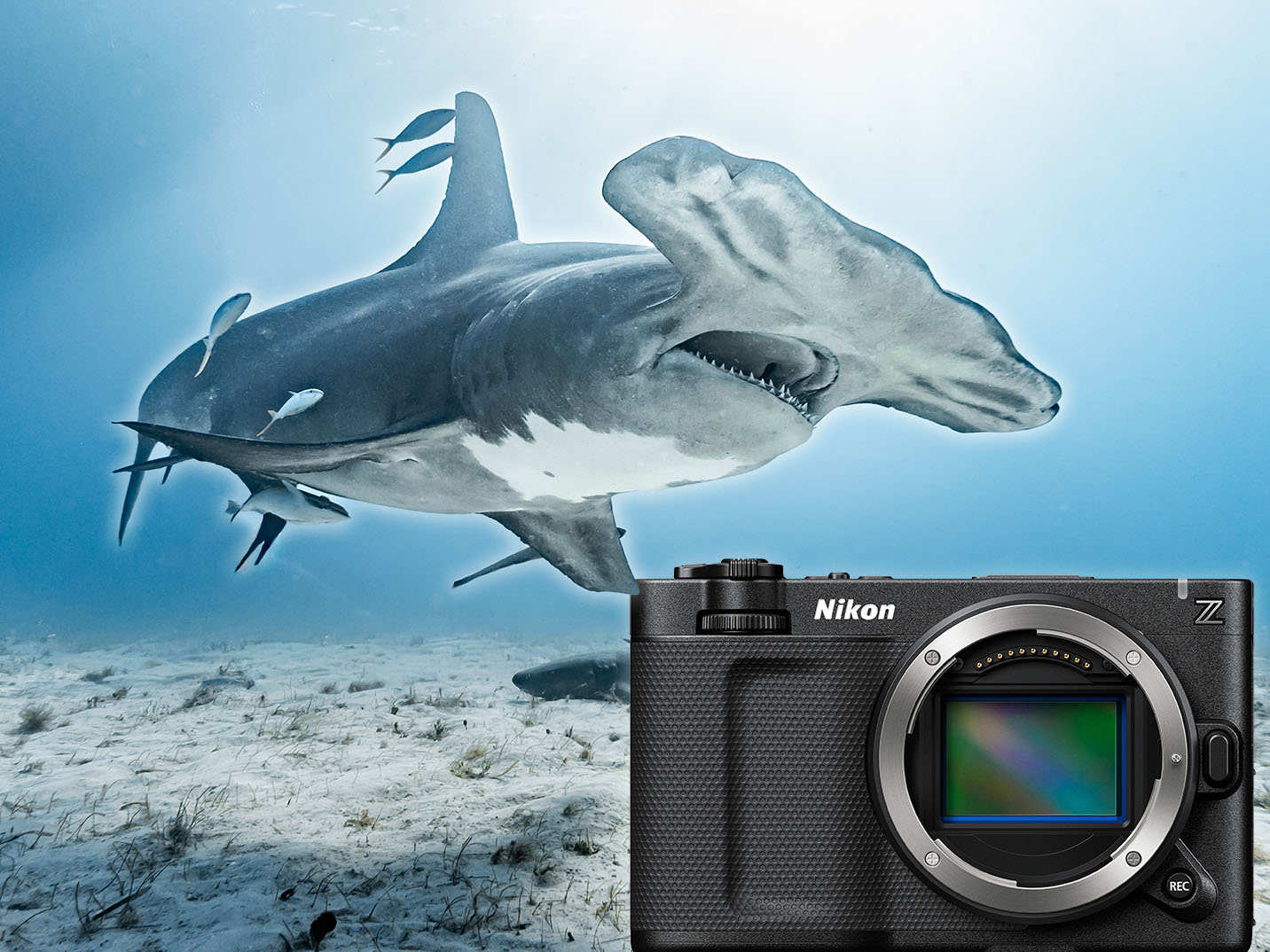
The Nikon ZR is packed with great tech for underwater filming. After spending a week shooting with it, Logan Wood breaks down his real-world impressions on the camera and the standout features of the 200DL Underwater Housing.
If you're more of a reader, scroll down for the article version of this video.
Nikon ZR 200DL Underwater Housing Features

See it in action: Nikon ZR Underwater at Tiger Beach, Bahamas
Let's start with the outside of the camera and the underwater housing. The Nikon ZR fits in the 200DL Underwater Housing, so if you're shooting a Nikon Z6, Z7, or Z8 you'll be familiar with the size.
It features M16 and M24 ports for external monitors and third-party accessories, tactile shutter and custom button triggers, the USB-C data offload and charging bulkhead, and of course the classic Ikelite clear back that gives you a full, unobstructed view of the 4" LCD on the back, which is amazing to shoot with. We've also added mounting rails on the back of the housing to attach an optional sun hood that easily attaches and detaches as your lighting changes underwater.

Improve your view in bright sun with the sun hood. Tethered by a lanyard, this sun hood is designed to be easily attached and removed as needed underwater as your lighting changes.
Buttons and dials are thoughtfully placed with access to two custom buttons on the top of the housing and a third custom button accessed by a trigger near your thumb. I've assigned this to AF-ON to act as back button focus like on DSLR or mirrorless cameras to make the transition to this button layout a little easier. The only other thing to mention is that the joystick control on the back of the housing is inverted, but it took no time at all to make that change and it posed no issues underwater.
The housing supports a wide range of Nikon lenses and uses the same dome ports, flat ports and extensions as the other Ikelite 200DL housings. So if you're already invested in that ecosystem, all your equipment will carry over.
Video Recording Codecs
Now onto actually shooting with this camera and I'll start with video since that's what this camera is really all about. I'm also going to be making a few comparisons to the Nikon Z6III since the ZR and the Z6III share the same sensor.
The big ticket feature for this camera is the introduction of R3D RAW, which is an uncompressed high quality RAW video codec previously only available in top-of-the-line RED cinema cameras. We're really excited to have that feature now available in an Ikelite underwater housing. After a week of shooting it, I gotta be honest, it's really nice to shoot with underwater. It's a level of resolution and flexibility that's new to me and is a ton of fun to shoot with underwater. However, the file sizes are massive and require a high-speed card. So I made sure to pick up a high-speed CFExpress Type B card, as well as a couple extra external SSDs. So overall, I would say that R3D RAW is a major win for this camera, but expect to spend some money on external SSDs as well as high-speed cards.
Outside of R3D RAW, there are plenty of other codecs to shoot in. The ZR also offers N-RAW, ProRes, and more compressed H.265 codecs. So if you're not wanting to mess with RAW video and don't want to deal with all those massive file sizes, there are some more compressed codecs for you to choose from. However, I did find the quality of the more compressed H.265 codecs to not be very impressive. The colors were muddier and the image was not as sharp. Ultimately, after a dive or two, I switched to shooting R3D full-time for the rest of the week of diving.
White Balance
Underwater white balance performance was okay, at best. I still think that Nikon has some room for improvement in their manual white balance, which checks out because I thought the same about the Nikon Z6III, which shares the same sensor and a lot of the same technology. But the good news is, if you are shooting RAW, all of that can be easily smoothed out in post-production. Setting the custom white balance is also quick and easy with just a few clicks.

The ZR's autofocus was impressive and reliable even with fast-moving subjects like sharks.
Autofocus
Autofocus performance is on par with the Z6III, so you can expect fast and reliable autofocus, as well as Nikon's impressive 3D tracking modes, which I found great to use underwater while tracking subjects. I just left all my autofocus settings on default.
Battery Life
Battery life on the Nikon ZR really surprised me. Filming at the max resolution of 6K and R3D RAW, I was able to consistently get two dives out of one battery, filming basically the entire time. Though this wasn't a huge concern because I had that USB-C charging bulkhead on my housing, so I was able to charge my camera between dives. If you're shooting some of the more compressed H.265 codecs, you could expect even better battery life.
Overheating
Now, with all this cool technology packed inside a camera, you might expect there to be some overheating issues, and you'd be right. I did experience two cases of overheating. However, both situations happened at the end of the dive, where I'd been filming a ton over the course of that dive. Even then, when the camera did overheat, it gave me a 30 second countdown, so I was able to finish my clip before the camera shut off. After letting the camera cool off for about a minute or two, I was able to turn it back on, shoot a bit more, and then end my dive. Nobody likes overheating issues, but considering the resolution and codecs that the ZR offers, I can't be too upset with running into some brief overheating issues. It's definitely not a deal breaker like some other camera releases we've seen in the past.

While not a hybrid camera, the Nikon ZR is still capable of quality photos.
1/250 • f/9 • ISO 400 © Logan Wood
Photography
Now, onto the photo side of things, which is where this camera lacks a bit, which is understandable because it is not a hybrid camera. This is a video camera that has the ability to shoot some still photos. Like I mentioned before, it shares the same partially stacked sensor as the Nikon Z6III, so you can expect 24 megapixel stills with great Nikon colors and raw flexibility. However, the max flash sync speed of the Nikon ZR is 1/60, which is not ideal for flash photography. So if you're picking up the Nikon ZR in the hopes of shooting photo and video, I would stick to ambient light photography or just know the subject you're shooting and how fast they move. You might be able to get away with 1/60. Other than that, it gives you fast drive modes of up to 20 frames per second, which proved great for fast moving wildlife. And overall, I'm pretty happy with the photos that I was able to get out of the Nikon ZR.
Those are my first impressions of the Nikon ZR for filming and shooting photos underwater. If you have any questions, you can shoot us an email to ikelite@ikelite.com.
Equipment Used
- 200DL Underwater Housing for Nikon ZR 6K Cinema Camera # 71077
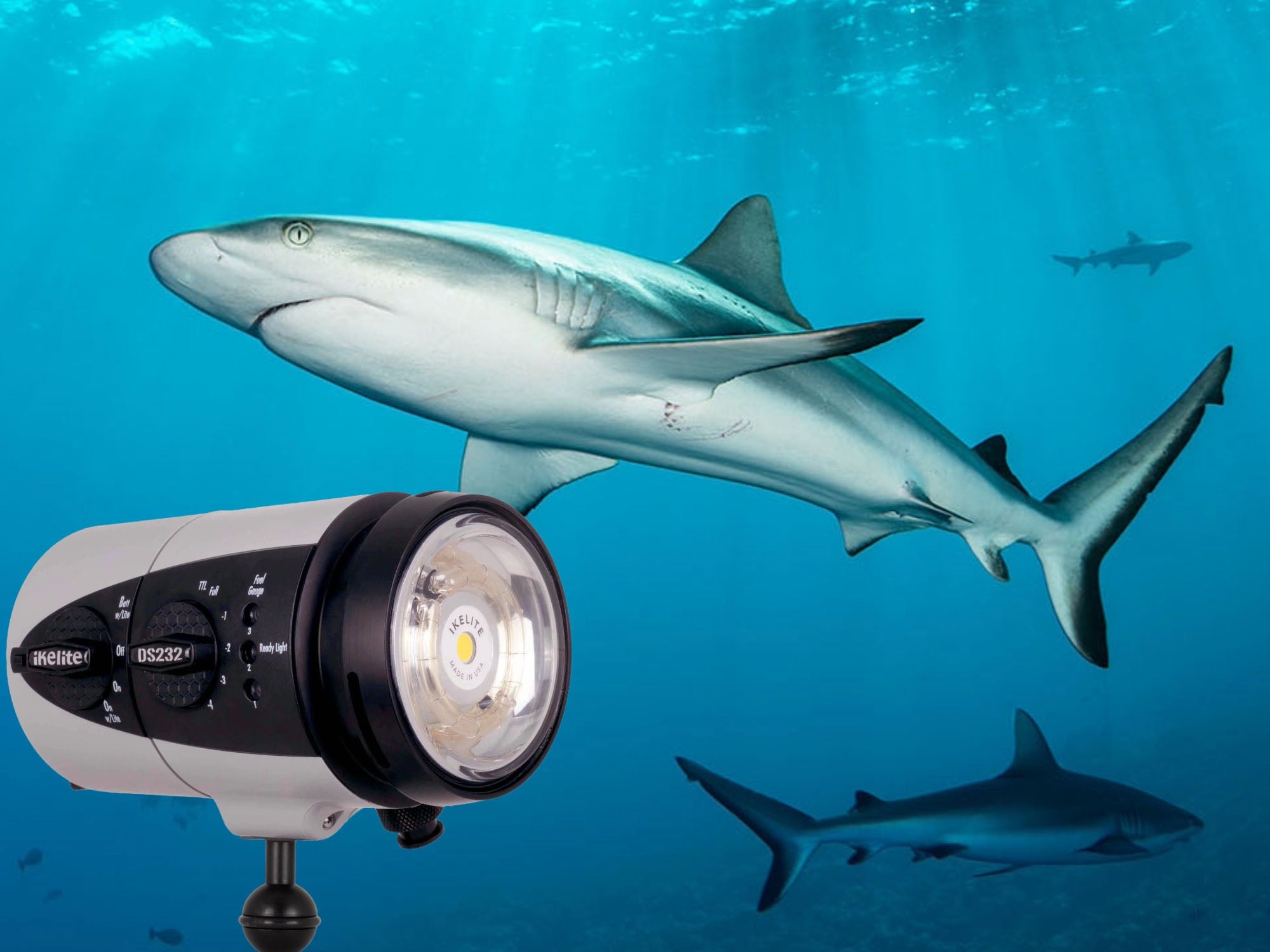
- DS232 TTL Underwater Strobe with Video Light # 40232
Additional Viewing
Nikon ZR Underwater Results // 200DL Underwater Housing [VIDEO]
Setting the Right Frame Rate and Shutter Speed for Your Underwater Footage [VIDEO]
Color Grading // Adding Warmth to an Underwater Video [VIDEO]
Top 3 Best Lenses for Nikon Full Frame Mirrorless Underwater [VIDEO]
Choosing the Right SD Card for Photos and Video [VIDEO]

Logan Wood is a published photographer, cinematographer, and Producer at Ikelite. Stemming from a great appreciation for the outdoors and living an active lifestyle, his work focuses on capturing and sharing the natural world through the latest technologies. When not in the studio, Logan can be found cruising on his bike, going to concerts, and researching where to go next. You can see more of his work at loganwood.net and on Instagram @jlowood